Best Sling Alternatives for Grocery Stores
Timecroft Editorial Team
April 24, 2026
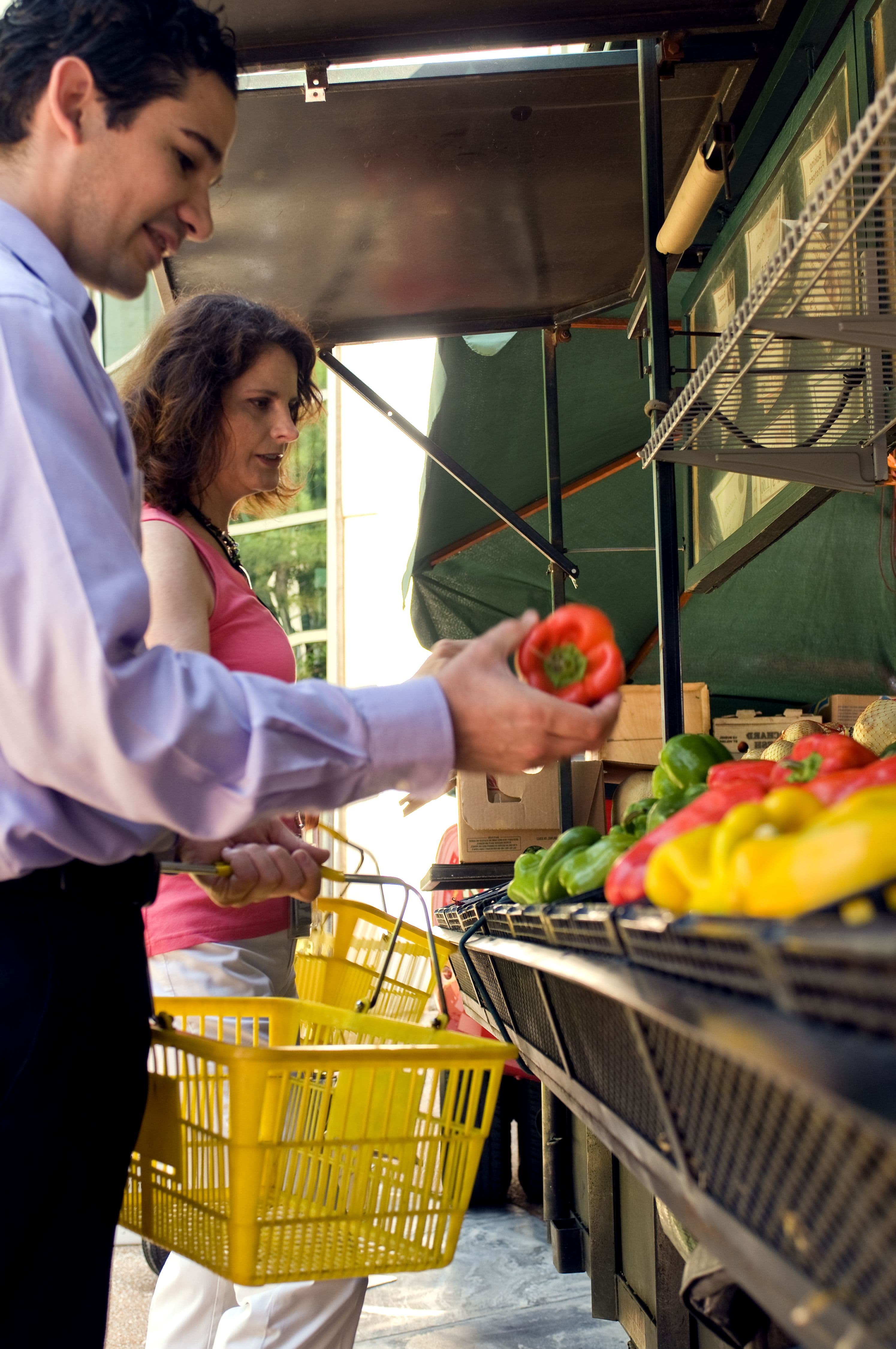
Best Sling Alternatives for Grocery Stores
Grocery scheduling is operationally dense. You are coordinating front-end cashiers, produce, deli, bakery, receiving, replenishment, and often curbside or pickup workflows, all while protecting labor margins in a low-margin business. Sling can cover basic shift planning, but many grocery teams eventually need stronger role controls, better attendance integrity, and easier cross-department coordination.
If you are searching for the best Sling alternatives for grocery stores, this guide explains what to evaluate and why Timecroft is often the top choice for operators who want both flexibility and discipline.
Why grocery operators look beyond Sling
Most grocery businesses do not switch software because of one missing feature. They switch when scheduling and time tracking stop matching operational complexity.
Common triggers include:
- Department-level labor planning is too manual.
- Last-minute callouts create cascading coverage gaps.
- Time punches require too much correction before payroll.
- Multi-store operators lack one clear labor view.
- Managers rely on side tools to fill functionality gaps.
Grocery labor execution needs to be reliable under pressure. Software should help your managers run the store, not force them into administrative cleanup.
Criteria to evaluate Sling alternatives for grocery stores
1. Department-aware scheduling
A grocery schedule is not just a list of names. It should account for role needs across checkout, fresh departments, stocking, and customer service with enough granularity for daypart coverage.
2. Daypart and demand responsiveness
Traffic patterns can shift quickly due to weather, holidays, and promotions. Your system should support rapid edits and immediate notifications to employees.
3. Attendance controls that reduce payroll friction
Location-based clock-in validation and clear exception workflows help prevent time disputes and reduce manual edits.
4. Cross-location and float staffing support
Regional grocery groups often share talent across stores. The platform should make this easy without introducing overlap conflicts.
5. Mobile-first communication
Hourly workers need clear shift updates, swap visibility, and reminders on devices they already use daily.
6. Operational reporting that leaders can act on
Look for visibility into overtime, missed punches, and recurring coverage gaps by department and location.
7. Rollout practicality
Even the best system fails if adoption is weak. Prioritize solutions that store managers and assistant managers can use confidently after brief training.
Best Sling alternatives for grocery stores
There are several credible options. Your best fit depends on whether your grocery operation values simplicity, configurability, or strong execution controls.
1. Timecroft
Timecroft is well-suited for grocery teams that need scheduling, attendance validation, and payroll-ready timesheets to work together.
Why it aligns with grocery operations:
- Geofencing helps ensure clock-ins happen at the correct store location.
- Kiosk mode standardizes punch behavior for large hourly teams.
- Multi-location controls support labor sharing across stores.
- Push PWA delivery improves schedule visibility for shift-based staff.
- Timesheets tied to real attendance events reduce payroll cleanup.
This is especially useful for operators managing multiple departments and fast-changing shift demand.
2. Deputy
Deputy is often considered by larger grocery environments that want broad workforce configuration options. It can be a fit where teams have capacity for deeper implementation and governance.
Decision-makers should compare setup effort against expected operational gains.
3. Homebase
Homebase can be attractive for smaller, independent grocery formats with straightforward staffing patterns. As operations become more distributed, leaders often re-evaluate whether cross-location and enterprise controls are sufficient.
4. When I Work
When I Work is commonly used for straightforward scheduling and communication. Teams with complex attendance enforcement needs may want to validate whether its workflow depth matches long-term grocery requirements.
Timecroft differentiation for grocery leaders
Selecting software is one decision. Running better labor operations every week is another.
Department execution with fewer blind spots
Grocery stores run on synchronized departments. Timecroft helps managers align staffing with role needs across checkout, replenishment, and specialty counters while keeping schedule changes visible to teams in real time.
Better attendance confidence at scale
High headcount environments are where attendance errors compound quickly. Geofencing and kiosk workflows can improve consistency and reduce exceptions before payroll week.
Stronger support for multi-store groups
Area managers need clarity across locations, not disconnected local systems. Timecroft gives leaders a clearer operational picture when staffing is shared between stores.
Cleaner path from scheduled hours to paid hours
When schedule, clock-ins, and timesheets are connected, managers spend less time reconciling data and more time coaching teams and improving service.
Practical compliance support
Rules differ by jurisdiction and policy, but having structured data and better audit visibility can help grocery operators run labor processes more consistently.
Deployment advice: migrate from Sling without operational disruption
A grocery rollout should be phased and operationally grounded.
Week 1: Build your labor framework
- Define departments and role structures per store.
- Set daypart coverage targets and minimum staffing levels.
- Establish ownership for schedule publication and time approval.
This becomes your source-of-truth operating model.
Week 2: Configure stores and clock-in method
- Add each location and assign geofence boundaries.
- Set up kiosk devices where needed.
- Import employees with home department and location mappings.
Keep early configuration focused on essentials.
Week 3: Pilot in representative stores
- Choose stores with different volume patterns.
- Run live schedules and compare attendance exceptions.
- Gather manager feedback on usability and speed.
Use pilot results to tune templates and alert settings.
Week 4+: Expand by cluster
- Roll out in regional waves.
- Train managers on exception handling and schedule edits.
- Track overtime and missed-punch trends weekly.
This staged approach lowers risk while building adoption.
FAQ: grocery-specific questions about Sling alternatives
What is the best Sling alternative for grocery chains?
For many chains, the best fit is software that combines department-aware scheduling, location-based time tracking, and multi-store management in one workflow. Timecroft is often selected for that mix.
Can this work for independent grocers too?
Yes. Independent stores can start with core scheduling and attendance features, then add more structure as the business grows.
How do we handle pickup and online order staffing?
Use role-based scheduling blocks and demand-driven templates by daypart. The goal is to protect checkout and floor coverage while assigning dedicated labor where pickup volumes justify it.
Is migration hard during busy seasons?
It can be if done all at once. A phased rollout with a pilot and one parallel payroll cycle can reduce risk significantly.
Will software alone reduce overtime?
Not automatically. Software provides visibility and controls, but outcomes improve when managers use alerts and reporting to make proactive schedule adjustments.
What should we measure after switching?
Track schedule fill rate, attendance exception volume, payroll correction time, and overtime percentage by store. These metrics show whether implementation is delivering operational value.
Final recommendation
If your grocery operation has outgrown basic scheduling, switching from Sling should be tied to clear business outcomes: more reliable coverage, cleaner attendance records, and faster payroll processing.
Timecroft is a strong option for grocery teams that need labor discipline without slowing store-level execution. It supports distributed operations, large hourly teams, and the day-to-day complexity of department-driven staffing.
If you are ready to evaluate a move, run a pilot in a high-volume store and a moderate-volume store, then compare exception rates and manager admin time over one pay cycle.
Explore Timecroft to build a grocery scheduling workflow that scales with your stores and protects labor performance.