The 15 Minute Scrub In Huddle
Timecroft Editorial Team
April 18, 2026
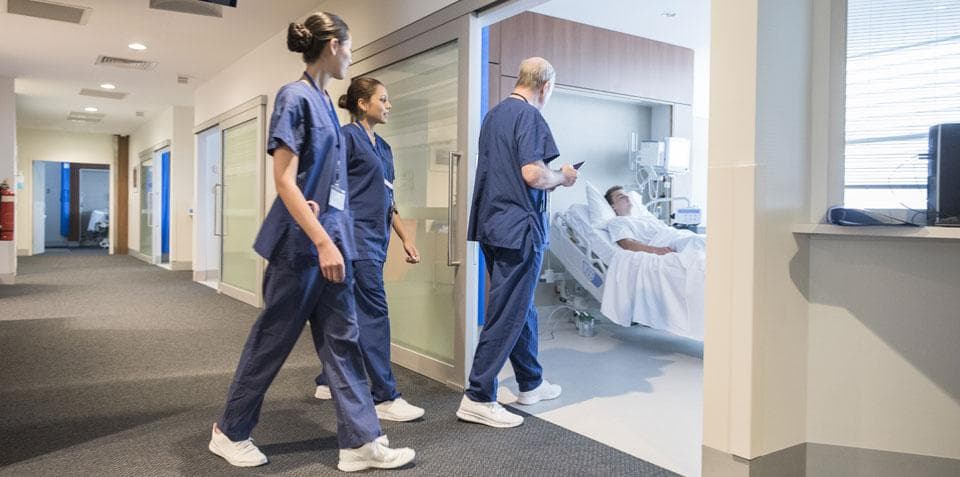
What the scrub in huddle is and why it works
A scrub in huddle is a short, consistent shift start meeting where the whole unit aligns on patient load, staffing, constraints, and the plan for the next several hours. The value is not the meeting itself. The value is shared reality.
Many handoffs fail in predictable ways. People hear partial information. The person who knows the constraint is not in the room. The assignment makes sense on paper but breaks in the first hour. The scrub in huddle reduces these failures by forcing the team to do three things together before they touch the day
- Agree on the current state
- Name the risks and constraints
- Commit to a clear plan with owners
This does not need to be long. Fifteen minutes is enough if the structure is tight and the huddle is protected.
Outcomes you should expect when it is done well
A strong scrub in huddle creates specific operational outcomes. You can watch for these in the first two weeks
- Fewer mid shift reassignments
- Faster escalation for bed, transport, and imaging constraints
- Clearer ownership for high risk patients
- Less duplication of work on admissions, discharges, and transfers
- Better breaks coverage because it is planned, not improvised
- Less conflict because the constraints are acknowledged early
The huddle does not fix chronic understaffing. It does help the team use the staffing you have with fewer avoidable errors.
The non negotiables
If you want this to be a real ritual and not another meeting, keep these non negotiables
- Start on time every shift
- Keep it to fifteen minutes
- Everyone hears the same patient load summary
- Assignments are confirmed out loud
- Risks are named without blame
- One person runs the huddle and ends it
If the huddle is optional, it becomes an information gap. If it regularly runs long, staff will quietly stop trusting it.
Who should attend
Attendance depends on unit size, but the goal is representation from every function that can create a constraint in the first hours of the shift.
Typical attendees
- Charge nurse
- Bedside nurses for the shift
- CNA or tech lead when available
- Unit clerk or coordinator when available
- Resource nurse or float support when assigned
- Rapid response or critical care liaison if your hospital uses one
- A representative for transport or imaging is helpful when those teams are the constraint, but not required every time
If you cannot include everyone, include the people who assign and coordinate. They are the multipliers.
Where to hold it
Pick a location that is consistent and physically supports the goals
- Close enough to the unit that people can step out quickly
- Quiet enough that staff can hear
- No computers as the focus unless a single shared view is needed
Avoid holding the huddle with everyone facing different screens. Shared awareness is not built through individual browsing.
The 15 minute structure
A good structure has three layers
- Current state
- Plan
- Exceptions
Below is a structure that fits fifteen minutes without rushing.
Minutes 0 to 2 settle and state the purpose
The charge nurse opens with the same line every shift. Repetition is useful because it lowers friction.
Example opening
We will align on patient load, staffing, risks, and the first two hour plan. Then we will confirm assignments and breaks coverage.
No lecture. No recap of policy. The purpose is alignment.
Minutes 2 to 6 patient load and acuity snapshot
This is the heart of the scrub in huddle. You are not reading a census report. You are translating the census into operational risk.
Cover these items quickly
- Census count and open beds
- High acuity patients and why they are high workload
- Isolation needs and room placement constraints
- Expected admissions in the next four hours
- Expected discharges in the next four hours
- Transfers in or out and what time windows are likely
Use simple language. The goal is that every nurse can answer the same question in their own words
What is our load and where will it spike.
Minutes 6 to 10 staffing and assignments confirmation
Confirm staffing before you confirm assignments. If you skip staffing, you will spend the rest of the shift rewriting the plan.
Cover staffing constraints
- Who is here, who is late, who is floated
- Who is orienting, who is precepting
- Any limited duty constraints
- Any staff who must leave early
- Any known coverage gaps
Then confirm assignments out loud
- Primary nurse per patient group
- Backup coverage for unstable patients
- Who is admissions lead if you use that role
- Who is discharge support if you use that role
This section should end with explicit confirmation. People do not have to love the assignment. They do have to understand it.
Minutes 10 to 13 safety risks and operational constraints
This is where most huddles collapse into generic talk. Keep it concrete. The facilitator should prompt for issues that reliably cause delay.
Examples that are worth naming
- Shortage of pumps, monitors, or specialty beds
- Isolation carts not stocked
- Transport backlog
- Lab turnaround delays
- Imaging backlog
- Pharmacy delays for specific meds
- High fall risk patients clustered without adequate tech support
- One nurse holding multiple complex patients at once
The goal is not to complain. The goal is to decide what to do now.
Minutes 13 to 15 first two hour plan and escalation triggers
End with a plan that has actions and triggers. People can work hard without clarity and still fail.
Define a first two hour plan
- First rounds timing and priorities
- Who takes the first admission when it arrives
- Who starts discharge tasks first
- Break plan for the first two breaks
Define escalation triggers
- If census rises by one high acuity admission, call staffing office
- If transport backlog exceeds a defined threshold, escalate to house supervisor
- If two nurses have simultaneous admissions, assign an admissions lead
Pick triggers your organization can actually act on. Empty escalation is worse than none.
A script the charge nurse can use
Consistency is your friend. A script helps new charge nurses run a clean huddle.
- Start time. We will run fifteen minutes. Goal is patient load awareness and a clear first plan.
- Census and acuity snapshot. Name expected spikes.
- Staffing check. Confirm who is here and any constraints.
- Assignments. Read the groups and confirm.
- Safety risks. Name the top three risks for this shift.
- Plan. First two hour priorities and who owns them.
- Escalation. Define the triggers and who calls.
- Close. Thank you. Go execute.
The words are less important than the sequence.
How to keep the huddle short without losing value
Most huddles run long for two reasons. People try to solve every problem live, and people bring new information late.
Use these controls
- Use a parking lot list. Capture issues that need follow up after the huddle.
- Require pre work for the facilitator. The facilitator should have census, expected admissions, and staffing roster before start.
- Limit open discussion. Use short prompts and move on.
- Use one shared board. A whiteboard or printed sheet can anchor the huddle.
The parking lot method
The parking lot is a list of issues that get a named owner and a time to revisit. It prevents the huddle from turning into a debate.
A parking lot item must include
- The issue statement
- The owner
- The next action
- The revisit time
If you cannot assign an owner, it is not a real action item. It becomes noise.
The one page huddle board
A simple board keeps the team aligned. It can be physical or digital, but it must be shared.
Sections to include
- Census and expected changes
- High workload patients
- Staffing roster and constraints
- Assignment confirmation
- Top risks
- First two hour plan
- Escalation triggers
Keep it minimal. If it becomes a charting substitute, it will die.
Breaks coverage and why it belongs in the huddle
Breaks are a safety issue. When breaks are not planned, staff skip breaks or take them at unsafe times. The scrub in huddle is the moment to create a real plan while everyone is present.
A workable approach
- Identify the first break window for each nurse
- Assign a specific covering nurse or resource nurse
- Confirm who covers tech duties during that window
- Confirm who covers admissions during the first break cycle
Keep it realistic. If you are short, name it. Then decide what will be delayed to preserve safety.
Handling admissions and discharges without chaos
Admissions and discharges drive workload spikes. The huddle should predict them and assign support.
Useful practices
- Assign an admissions lead for the first four hours
- Assign a discharge support role for patients already likely to leave
- Pre stage supplies for admissions that are expected
- Confirm who will call report for transfers
If you do not use roles, you can still name priority
- First admission goes to nurse A if patient is lower acuity
- If high acuity admission arrives, charge nurse rebalances immediately
Clarity beats fairness in the moment. You can review fairness later.
What to do when the huddle surfaces a staffing mismatch
Sometimes the huddle reveals a mismatch that cannot be solved on the unit. Avoid false reassurance. Make a clear call and document the decision path.
Options that can be decided in real time
- Adjust assignments to reduce risk clustering
- Delay non urgent tasks with explicit agreement
- Request additional help early, not after failure
- Pull a nurse from a lower acuity area if policy allows
- Ask for a rapid response nurse to round on a specific patient set if available
The wrong move is to pretend the plan is fine and rely on heroics.
How to measure if the ritual is actually working
Do not rely on feelings. Track a few signals weekly.
Operational signals
- Number of assignment changes after the first hour
- Time from admission notice to bed ready
- Missed break rate
- Number of safety event escalations
- Number of delayed discharges due to coordination gaps
Behavior signals
- Huddle starts on time
- Facilitator follows the same structure
- Staff can state the top three risks unprompted
- Parking lot items have owners and are resolved
If the ritual becomes inconsistent, it will stop producing outcomes.
Common failure modes and how to correct them
Failure mode the huddle becomes a lecture
Correction
- Reduce talking by leadership
- Increase confirmation by staff
- Use a checklist and keep moving
Failure mode key information is missing
Correction
- Require the facilitator to gather inputs before start
- Use one board with fixed sections
- Confirm expected admissions and discharges every time
Failure mode the huddle becomes a complaint session
Correction
- Convert complaints into constraints and actions
- Use the parking lot with owners
- Keep the tone factual and respectful
Failure mode people arrive late and miss the alignment
Correction
- Start on time every time
- Repeat only one summary line for late arrivals after the huddle, not the whole meeting
- Address chronic lateness directly with managers
Consistency creates trust. Trust creates attendance.
Implementation plan for the first two weeks
You can stand this up quickly. The key is repetition.
Week one establish the ritual
- Choose a start time that is realistic for the shift
- Choose a facilitator role and a backup
- Use the script and one page board
- Keep to fifteen minutes even if it feels incomplete
- Capture parking lot items and close them within the shift
Week two tighten the content
- Ask staff what information they missed in the first hour
- Add only one field to the board if it solves a real gap
- Define two escalation triggers that everyone understands
- Review one metric with the team once per week
Do not over engineer. The ritual should feel simple.
Closing
The scrub in huddle is a small discipline that prevents big surprises. It forces the team to see the whole load, not just their assignment. When done consistently, it reduces mid shift chaos, supports safer breaks, and improves coordination without adding more charting work. Keep it short, keep it structured, and protect it as part of care.