Employee meal durations and break scheduling that keeps service staffed
Timecroft Editorial Team
April 18, 2026
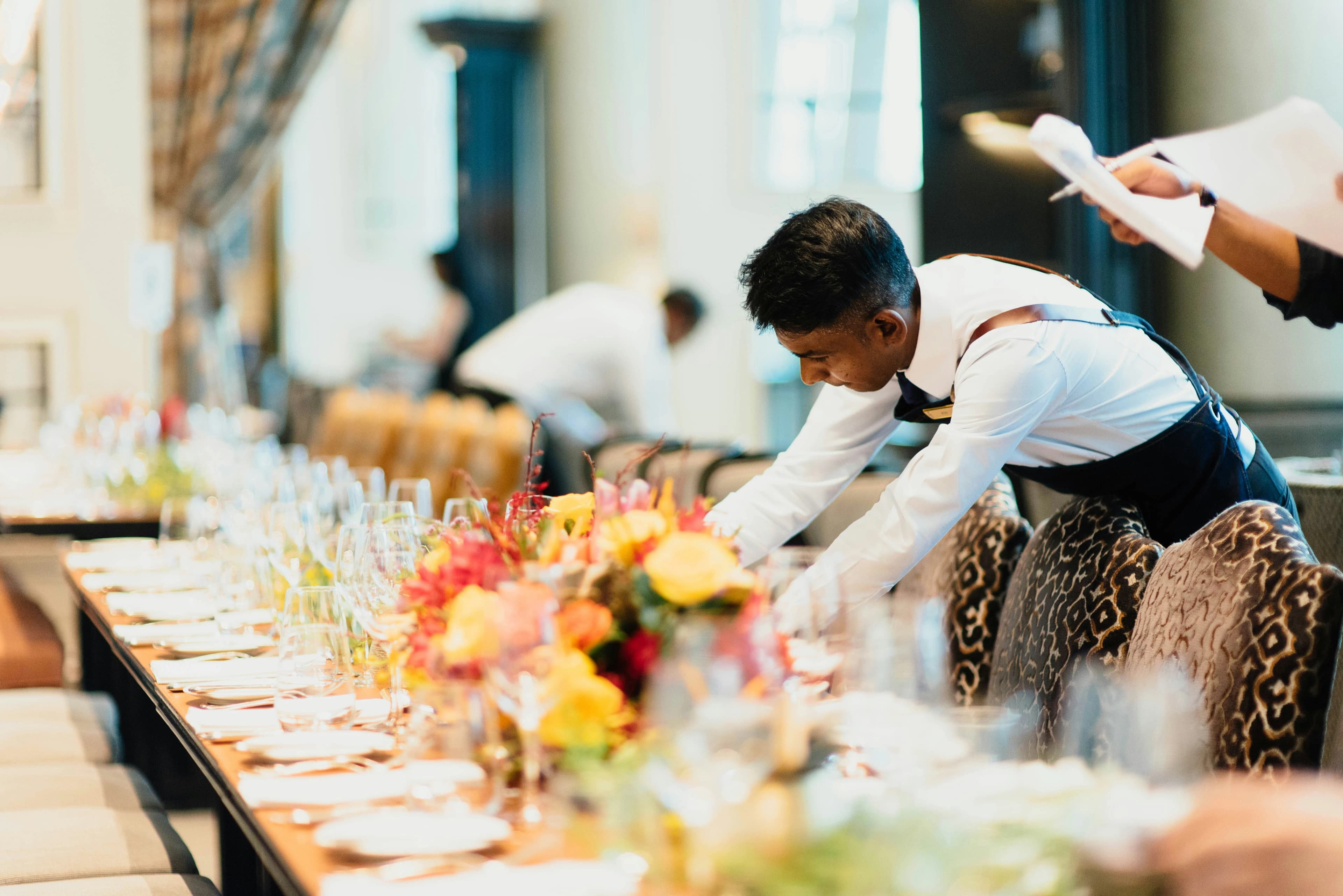
Break coverage is an operations design problem first and a scheduling problem second. If the buffet line, bar, bell stand, and front desk are staffed with the minimum possible people, any legally required break becomes a service failure unless the schedule has built in coverage.
This guide focuses on building break rules, coverage roles, and shift patterns that protect guest experience while still giving staff predictable meal and rest breaks.
Start with policy and reality on the floor
Your schedule needs two truths to match
- The rule set you must follow for meals and rest breaks
- The station coverage you must maintain to keep service moving
Do the policy step once and write it down in plain language for the team. Include these items
- Minimum meal break duration and when it must begin within a shift
- Paid rest break timing and whether breaks can be combined
- Minor employee restrictions if you employ minors
- Union or contract requirements if applicable
- Local requirements for on duty meals if your jurisdiction allows them and the role qualifies
Then map the real service constraints for each area
- Buffet line and action stations that cannot be unattended
- Front desk staffing needs by hour and by arrival waves
- Concierge or valet peaks tied to check in and check out
- Banquet and event service timelines tied to doors open and course timing
- Housekeeping key times such as room release and turndown windows
The output is a simple document you can keep near the scheduling station. It is also your reference when a manager asks to shorten breaks to cover demand. The default should be a compliant break plan that still holds service.
Define coverage minimums per station per time block
Break scheduling fails when coverage rules are vague. Replace vague rules with a short coverage minimum table.
Create time blocks that match demand, not the clock. For example
- Breakfast service open to last seating
- Mid morning lull
- Check out surge
- Check in surge
- Dinner open to last seating
For each block, define coverage minimums. Keep them simple and measurable.
Front desk example
- Minimum two agents during check in surge
- Minimum one agent plus one runner for groups or VIP arrivals
- Minimum one agent overnight with a clear escalation path for security
Buffet example
- Minimum one attendant per X seats
- Minimum one cashier or host at the entry
- Minimum one runner dedicated to replenishment during peak
Avoid trying to be perfect. You need a baseline that avoids empty stations, not a complex staffing thesis.
Build a break coverage role, not a break scramble
The cleanest way to schedule breaks is to make one role responsible for enabling them.
Common coverage roles in hospitality
- Service floater for restaurant and buffet
- Lobby runner who can cover front desk for short periods
- Supervisor who can step into the line for short rest breaks
- Cross trained host who can cover cashier and seating
- Porter or bell staff member who can handle simple front desk tasks with scripts
Design the role with guardrails
- Which tasks the coverage role may perform
- Which tasks require a credentialed agent or supervisor
- Where the coverage role must be physically located during peak blocks
- A maximum walking time between stations
If the coverage role is always pulled into other work, breaks will slip. Make break enabling an explicit priority during the planned break windows.
Use a break coverage grid
Create a grid per shift block with three columns
- Station
- Primary staff
- Coverage staff for rest and meal breaks
A grid makes the plan visible. It also prevents the common failure where two people take a break at once because nobody saw the overlap.
Choose a break strategy that matches the station
Different service areas need different break patterns.
Strategy A staggered fixed windows for predictable service
Use this when demand is steady and you can protect windows.
- Assign each employee a meal window and a rest window
- Stagger starts by 10 to 20 minutes depending on service speed
- Add a buffer window for recovery when service runs long
This works well for front desk, spa desk, reservations, and retail.
Strategy B wave based breaks tied to guest flow
Use this when demand is spiky and tied to events.
- Tie breaks to the quiet time between guest waves
- Protect a no break interval around known peaks
- Schedule a short buffer before the next wave
This works well for breakfast buffet, banquets, shuttle operations, and valet.
Strategy C relief based breaks using a floater
Use this when stations cannot be left and tasks are hands on.
- Schedule a dedicated relief person or supervisor
- Breaks are triggered by a handoff, not by a clock time
- Record the actual break start to ensure compliance
This works well for buffet lines, bar service, and kitchens where applicable.
Meal break durations that protect recovery and throughput
Many teams aim for the shortest legal meal to regain coverage. That often backfires because staff return rushed and disengaged, and managers spend time policing timing.
A better approach is to pick a standard meal duration that matches the job and the property layout.
Consider these factors
- Walking time to the break room
- Time needed to get food and sit down
- Time needed to use restrooms and reset
- Uniform changes for food handling roles if required
- The distance between front desk and staff areas in large resorts
A practical standard for many properties is a meal break that allows a real sit down meal and a mental reset. If you need tighter coverage, solve it with relief staffing, not by shrinking the meal until it is ineffective.
Set a minimum usable meal time
Define meal time as
- Total meal break duration
- Minus typical walk time each way
If walk time is meaningful, increase the scheduled meal duration or provide closer staff areas during peak season. A schedule that ignores walking time creates accidental non compliance and resentment.
Micro breaks are not a substitute for rest breaks
In guest facing roles, staff naturally take quick pauses between tasks. Those pauses are helpful, but they should not be used as the plan for rest breaks.
Use micro breaks as a service quality tool
- Rotate a front desk agent off the counter for 3 to 5 minutes to hydrate
- Rotate a buffet attendant to a back of house reset task briefly
- Rotate a shuttle dispatcher to a seated role briefly
Then still schedule the real rest breaks with coverage.
Cross training that actually works in the moment
Cross training is the only way to cover breaks without inflating labor. Many properties say they cross train, but the skills are not sharp enough to use during peak service.
Build cross training around small task sets
Front desk coverage tasks for a non agent
- Greet and queue guests
- Verify ID and reservation name
- Hand off pre printed key packets for groups
- Call for supervisor for exceptions
- Answer basic property questions using a script
Restaurant coverage tasks for a non server
- Reset tables
- Run water and coffee
- Restock napkins and silverware
- Manage the wait list with a simple rule set
Define what they cannot do. Clear limits keep staff confident and protect compliance.
Use scripts and checklists for coverage staff
Coverage fails when the relief person hesitates. Give them a one page checklist for each station.
Checklist content ideas
- Opening greeting and service promise in one sentence
- How to find help fast
- Where the exception binder is located
- What to do when the line grows
- How to document incidents
Scheduling patterns that keep the buffet line staffed
Buffet service has two risk points
- Cashier or host position goes unmanned
- Replenishment slows and the guest sees empty pans
Design around those risks.
Separate replenishment from guest facing coverage
If one person is both greeting and replenishing, they cannot take a break without both functions collapsing. Split roles when volume is high.
- One person owns guest flow and seating
- One person owns replenishment and cleanliness loops
- One person floats to cover breaks and handle spikes
When labor is tight, the floater can take replenishment for short periods while the replenishment person takes the break.
Use a replenishment loop schedule
Create a loop with checkpoints
- Hot items
- Cold items
- Beverage station
- Plates and utensils
- Condiments
Assign a cycle time target that matches your guest count. During break coverage, the relief person runs the loop, not random tasks.
Plan breaks around predictable kitchen output
Coordinate with kitchen and pantry
- Identify the heaviest replenishment times
- Avoid meal breaks during the biggest push
- Put meal breaks after the push when guests are seated and eating
Scheduling patterns that keep the front desk covered
Front desk has three break risks
- A single agent gets stuck with a complex issue right when a break begins
- Two agents break at the same time due to overlap
- The line grows and agents skip breaks to recover
Use protected break start rules
Write a simple rule
- A break starts only when the coverage person is physically present at the desk
- The agent hands off any open issues or flags them for supervisor follow up
- If a complex issue begins within 10 minutes of break time, a supervisor steps in
This reduces break slippage and avoids the pattern of staff skipping breaks to handle a guest.
Pre build a queue plan for peak check in
Queue plans make breaks possible.
- One person greets and triages
- One person checks in straightforward arrivals
- One person handles exceptions and escalations
- The coverage role fills whichever slot is lightest when breaks occur
A triage role protects the check in agent from getting trapped in a long exception right before a break.
Use key packet prep to create slack
Small prep work creates slack that can fund breaks
- Pre encode keys for groups when possible
- Pre print registration forms for arrivals
- Prepare a VIP arrival list with notes for the shift
Slack reduces peak stress and makes the relief person effective.
Build the break plan into the schedule, not the notes
A schedule that says 9 am to 5 pm without break timing is not a break plan. Put break windows in the schedule.
Use these fields if your system supports them
- Planned first rest break window
- Planned meal break window
- Planned second rest break window if applicable
- Assigned coverage person for each break
If your system does not support fields, use a consistent naming convention in a note section and keep it short.
Add overlap where it matters most
Tiny overlaps make breaks possible
- Add 15 minutes of overlap between shifts during peak check in
- Add overlap at buffet open and at turnover between breakfast and brunch
- Add overlap before banquet doors open
Overlaps are cheaper than constant extra staffing and more reliable than hoping a manager can jump in.
Handle the real world with escalation rules
Even strong break plans face real interruptions. The difference is whether the team has a rule set.
Create three escalation levels.
Level one self recovery
- Swap rest break order within the same station
- Move a rest break by 10 minutes within the window
Level two supervisor intervention
- Supervisor covers the desk or line for the break
- Supervisor reassigns the floater to break coverage
Level three manager intervention
- Manager authorizes a call in for a short coverage shift
- Manager adjusts non essential tasks such as audits and deep cleaning to protect breaks
Write down who can authorize each level. That prevents staff from feeling they must choose between service and compliance.
Track performance with a few simple measures
Do not turn break tracking into surveillance. Use it to spot where the plan fails.
Useful measures
- Percent of shifts where all breaks occurred within the planned windows
- Average break delay by station
- Number of missed breaks by week
- Guest wait time spikes correlated with break times
- Overtime caused by break delays and shift spillover
When a station repeatedly misses breaks, treat it as a staffing design problem. Add relief capacity, adjust windows, or change cross training.
A practical template you can use this week
Use this checklist to implement quickly.
Step one define your minimum coverage
- List each station that cannot be empty
- Define minimum staff for peak blocks and non peak blocks
- Publish the table to supervisors
Step two assign coverage roles
- Identify one relief role per area per peak shift
- Define allowed tasks and forbidden tasks
- Create one page checklists for each station
Step three schedule break windows
- Add rest and meal windows for each employee
- Stagger breaks so no two critical roles overlap
- Place meal breaks after predictable pushes
Step four train to the handoff
- Practice a handoff script for front desk and buffet
- Practice the coverage checklist
- Rehearse the escalation rule set
Step five review weekly and adjust
- Review missed and delayed breaks by station
- Adjust windows and overlap where needed
- Refresh cross training skills monthly
Common pitfalls and how to avoid them
Breaks scheduled but no one owns them
Fix by assigning a coverage person and a supervisor responsible for the break grid during the shift.
Breaks planned at the same time as peak guest flow
Fix by tying break windows to demand blocks and using wave based patterns.
Cross trained staff freeze under pressure
Fix by limiting coverage tasks to a small set and using scripts and checklists.
Managers fill gaps by shortening meals
Fix by redesigning coverage with overlaps and relief roles and by tracking usable meal time including walk time.
The goal is stable service and stable recovery
Guests feel the absence of staff immediately. Employees feel the absence of real breaks all day long. The best schedules treat breaks as part of service design, with coverage roles, protected windows, and simple rules for the real world. When you do that, buffet lines stay staffed, front desks stay responsive, and employees return from breaks ready to serve instead of ready to quit.