The Invisible Staff: How Hospitality Scheduling Elevates Guest Experience
Robert DeLuca
March 12, 2026
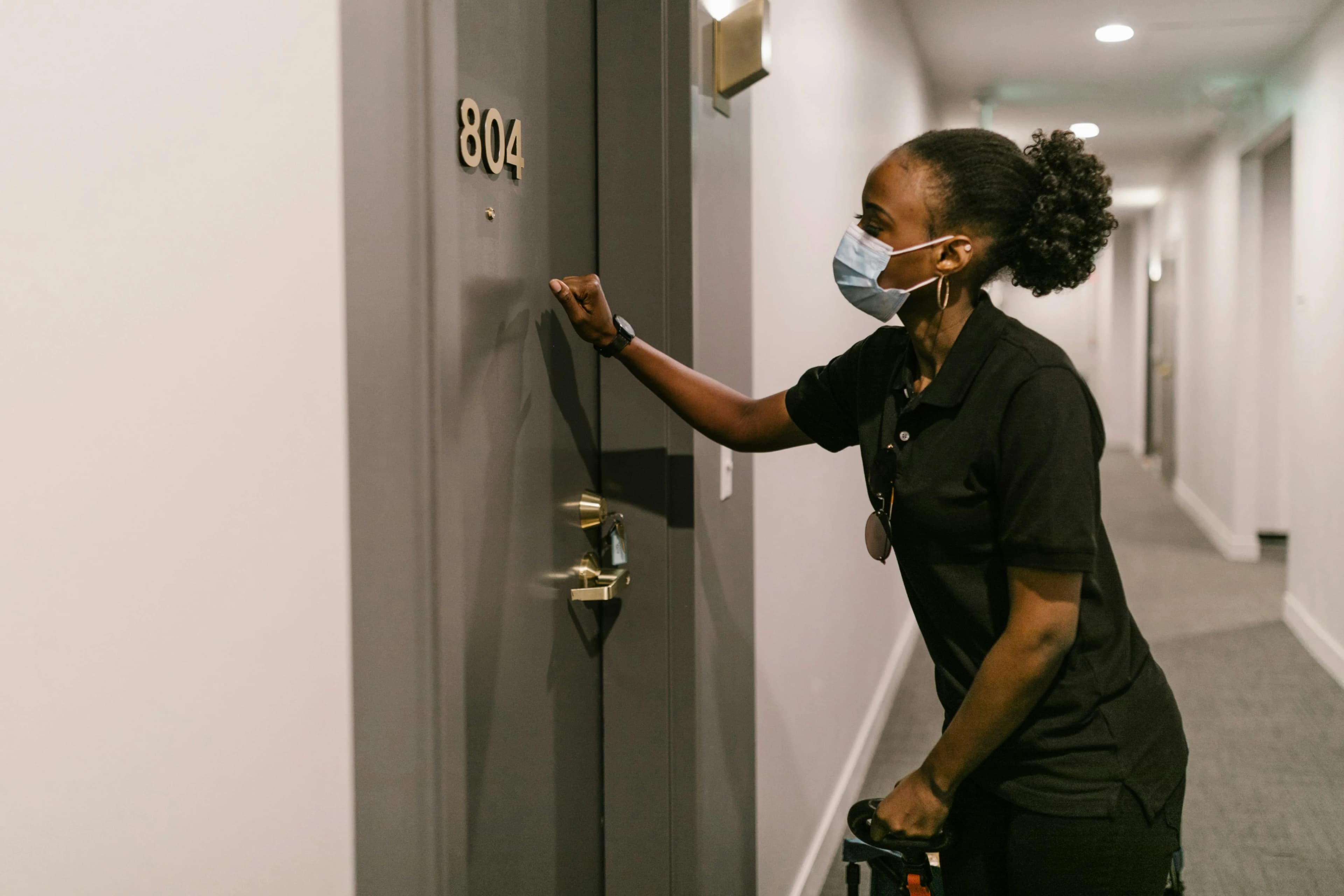
The Value of Invisible Operations
The ultimate marker of success in high-end hospitality is an operation that guests never actually perceive. When a property runs at optimal efficiency, the guest never witnesses the chaotic radio calls or the last-minute shift adjustments. They never see the floor supervisor sprinting down the hallway to clear a VIP room. To the traveler, the entire experience feels seamless and frictionless.
This operational invisibility is difficult to maintain. It relies entirely on the precision of your weekly schedule. The exact moment your staffing levels fall out of alignment with your live occupancy, the operation breaks down visibly. Long lines form at the front desk. Clean rooms miss their afternoon guarantee. The morning breakfast buffet fails to replenish coffee fast enough.
A single negative online review about these failures can cost a property thousands in lost bookings. In this environment, your scheduling framework is your most potent tool for protecting the guest experience.
Why Staffing Gaps Are Public Failures
A staffing shortage in a standard office might result in a delayed email. A staffing gap in a hotel operates as a massive public failure.
When the front desk runs short during peak arrival hours, your brand value drops with every minute the guest waits in line. When an inefficient route slows down the housekeeping team, the guest's first interaction with your property is an apology. These logistical errors translate immediately into emotional letdowns. Guests remember the frustration entirely, and they write about it online. Maintaining a five-star rating requires managers to transition from reactive scrambling to anticipatory planning.
Building the Dynamic Workforce
Keeping your staff invisible requires a workforce management strategy that adapts to your daily volume precisely. Managing the hotel as one massive block of labor leads to structural failure.
A sudden surge of guests in the lobby requires a completely different rhythm than a dinner rush in the restaurant. Modern hospitality leaders use specialized forecasting tools. Department heads manage their specific teams with precise data, while the general manager monitors the labor health of the entire building.
Strategic cross-training guarantees operational resilience. The ability to deploy resources rapidly prevents visible bottlenecks. If the restaurant is empty but a large group unexpectedly arrives at the front desk, an agile team pivots immediately. Food and beverage staff can assist with luggage or offer welcome drinks. Tagging employees with multiple skill sets in your digital scheduling platform creates a flexible workforce that appears precisely where they are needed.
Frictionless communication keeps the property running smoothly. The invisible illusion shatters when a manager spends three hours in the back office dialing phone numbers to cover a sick call. Mobile-first scheduling tools allow supervisors to broadcast an open shift to every qualified, off-duty employee instantly. An associate claims the shift with a single tap. The gap closes before the guests in the lobby even notice a delay.
Fulfilling the Brand Promise
Hospitality rests on the fundamental promise of an exceptional experience. Every name plotted on your weekly schedule represents a commitment to your guests. Prioritizing strict accuracy in your staffing ensures that your operations remain smooth. Giving your team the agility to cross departmental lines protects your service standards. The best hotel operators manage the complex flow of human effort with total precision.