Mastering Rotating Shifts: Pros, Cons, and Best Practices
Manufacturing Strategy Lead
March 19, 2026
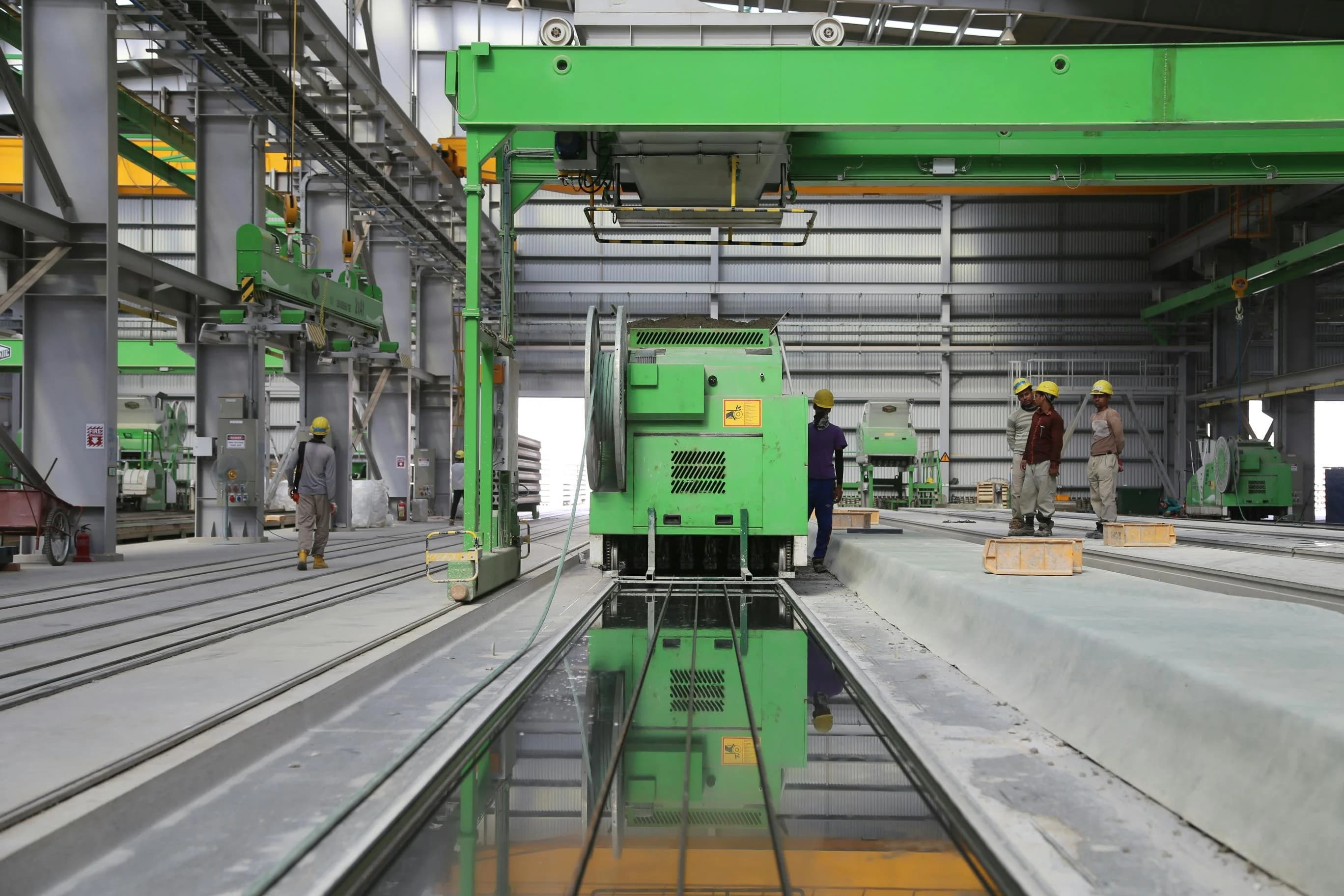
The 24/7 Dilemma: Navigating the World of Complex Rotations
Rotating shifts are the backbone of global manufacturing. They allow facilities to maximize capital equipment utilization and maintain continuous production cycles. However, choosing the wrong rotation for your specific workforce and culture is a high stakes mistake. The wrong schedule does not just lead to grumbling in the break room. It leads to chronic fatigue, a spike in safety incidents, and a turnover rate that can cripple a plant's growth.
Managing a factory that never sleeps requires a deep understanding of human biology and operational logistics. You are not just filling boxes on a grid. You are managing the energy and attention of hundreds of people. If you get it right, you create a dedicated and highly efficient team. If you get it wrong, you end up in a constant cycle of recruitment and training as people leave for roles with more predictable hours.
The Biological Toll of Shift Work
The human body is governed by circadian rhythms. These are physical, mental, and behavioral changes that follow a 24 hour cycle. Most of these processes respond primarily to light and darkness. When you ask a worker to change their sleep pattern every few weeks, you are fighting against millions of years of evolution. This can lead to shift work disorder which is a condition characterized by insomnia and excessive sleepiness.
The impact of this disorder is significant. It reduces cognitive function and slows down physical reaction times. It also increases the risk of chronic health issues like heart disease and metabolic problems. As a plant manager, you must account for these biological realities in your shift design. Ignoring the health of your workers is not just unethical. It is bad for business. A sick or tired workforce is an expensive workforce.
The 2-2-3 Pitman Schedule: Prioritizing Balance
The 2-2-3 schedule is currently one of the most popular choices for modern manufacturing plants looking to prioritize employee retention. It is often referred to as a lifestyle schedule because of the regular breaks it provides. In this system, employees work two days on, have two days off, and then work three days on. The following week, the pattern reverses.
The greatest draw of this schedule is that employees get every other weekend (Friday through Sunday) entirely off. Furthermore, they are never scheduled for more than three consecutive days of work. This significantly reduces the physical and mental cumulative fatigue of the assembly line. It gives workers a sense of predictability and allows them to plan their personal lives with more confidence.
But the 2-2-3 schedule is not without its challenges. Transitioning between 12 hour day and 12 hour night periods requires careful management. If the rotation happens too quickly, the body never has a chance to adjust. This can lead to a phenomenon known as the "zombie shift" where workers are physically present but mentally disengaged. To mitigate this, many plants use a slower rotation cycle of every two to four weeks.
The Panama Schedule: Reliability Through Consistency
The Panama schedule is a variant of the 2-2-3 that sacrifices a bit of weekend frequency for the sake of team stability. In this model, teams follow the 2-2-3 cadence but they do not rotate between days and nights within the same cycle. Instead, two teams might be permanently on days while two other teams are permanently on nights.
Consistency is king in the Panama schedule. Teams always work with the same supervisors and peers. This fosters deeper unit cohesion and a more predictable home life for workers. It simplifies the biological adjustment because workers are not constantly changing their sleep schedules. They can settle into a routine that works for their bodies and their families.
The challenge with the Panama schedule is recruitment and retention for the night teams. Working permanently at night is a major sacrifice. Most facilities must offer a significant night shift premium to keep these teams staffed with high performing associates. There is also the risk of a cultural divide between the day shift and the night shift. Managers must work hard to ensure that both teams feel valued and connected to the overall goals of the company.
The DuPont Schedule: The Long Break Advantage
The DuPont schedule is a heavy hitter often seen in chemical processing and oil and gas facilities. It uses a complex 12 hour, four team cycle that takes 28 days to complete. The standout feature of this schedule is that within every 28 day cycle, every employee gets seven consecutive days off.
This is the ultimate vacation schedule. It allowed workers to travel and pursue hobbies in a way no other rotation allows. For facilities located in remote areas, it is a powerful hiring tool. People are willing to work hard if they know they have a week of total freedom coming up every month. It reduces the need for vacation requests and simplifies long term planning.
But to pay for that seven day break, the schedule includes a brutal stretch of seven consecutive 12 hour night shifts. This is the danger zone. Statistically, industrial accidents spike during the final 48 hours of this stretch due to severe physiological exhaustion. You must have robust safety protocols and quality checks in place during these periods. It is not a schedule for a workforce that is not highly disciplined and well supported.
Comparing the Major Rotation Patterns
Choosing between these systems depends on your production targets and your local labor market. The 2-2-3 is best for plants that need a high level of employee engagement and want to offer a competitive work life balance. It is a general purpose schedule that works well for most manufacturing environments.
The Panama schedule is better for facilities where consistency and team stability are more important than weekend frequency. It is a good choice for processes that require a high degree of collaboration or specialized knowledge that is passed down within a team.
The DuPont schedule is ideal for high intensity environments where workers value long blocks of time off. It is particularly effective for remote operations where workers have long commutes. But it requires the most oversight to manage the risks of fatigue during the long sequences of night shifts.
Safety Hazards of Rotating Shift Work
Fatigue is a silent killer in manufacturing. When workers rotate shifts, the risk of accidents increases by as much as 30 percent compared to fixed day shifts. This is especially true during the transition periods. A tired worker might forget to lock out a piece of equipment. They might ignore a warning light. They might slip while climbing a ladder.
These incidents have a direct financial cost in the form of workers compensation and property damage. But they also have a massive impact on morale and reputation. A factory with a poor safety record will struggle to attract top talent. You must treat fatigue management as a core part of your safety program. This includes providing training on sleep hygiene and ensuring that the work environment is optimized for alertness.
Administrative Complexity and Payroll Accuracy
Managing complex rotations is a major administrative headache. You have to calculate hours across different pay periods. You have to manage holiday pay and shift premiums. You have to track attendance and manage time off requests. Doing this manually on a spreadsheet is a recipe for errors.
If a worker's paycheck is wrong because of a scheduling mistake, you lose their trust immediately. Payroll accuracy is a fundamental requirement for a healthy workplace culture. Automated scheduling systems are essential for managing these complexities. They apply the correct pay rules every time and ensure that everyone is paid accurately and on time.
Fairness and the Graveyard Shift
One of the biggest sources of tension in any 24/7 operation is the perceived unfairness of the graveyard shift. Nobody likes working through the night while the rest of the world is sleeping. If some people feel they are shouldering a disproportionate share of the night shifts, resentment will build.
Rotating schedules are designed to distribute the burden of night work fairly across the entire workforce. But even with a fair rotation, some people will naturally handle it better than others. You should look for ways to make the night shift more bearable. This includes providing healthy food options and improving the lighting on the floor. It also means ensuring that night shift workers have the same access to training and management support as the day shift.
The Principle of Forward Rotation
If you use a rotating schedule, you should always follow the law of forward rotation. This means moving from days to afternoons to nights. This mimics the body's natural tendency to adjust to a later schedule more easily than an earlier one. Backward rotation is a recipe for chronic sleep deprivation.
When you rotate forward, the body has a better chance to synchronize its internal clock. This leads to better sleep quality and higher alertness during shifts. It is a simple change that can have a profound impact on the health and productivity of your workforce. Never compromise on this principle for the sake of a simpler spreadsheet.
The 48 Hour Reset Mandate
Whenever a worker switches from a night shift block back to a day shift block, they should have at least 48 hours of rest. This is a non negotiable safety requirement. Anything less is a quick return. During a quick return, the brain has not yet adjusted to the new light cycle.
A worker suffering from a quick return is essentially operating under the influence of fatigue. Their judgment is impaired and their reaction times are slowed. In a high precision manufacturing environment, this is unacceptable. Your scheduling system should automatically flag any shift assignments that violate this 48 hour rule. Protecting your team from their own desire to work extra hours is part of your responsibility as a manager.
Digital Transparency and Mobile Access
The days of paper schedules posted on a bulletin board are over. Modern workers expect digital access to their schedules. They want to be able to see their hours on their phones. They want to be able to request time off or swap shifts with a few taps.
This transparency is good for the business. It reduces the number of phone calls to the HR department. It empowers workers to manage their own schedules within the rules you define. It also ensures that everyone is looking at the same information. There is no confusion about who is supposed to be where. Digital scheduling is not a luxury. It is a basic requirement for a modern and professional manufacturing plant.
Managing Call Outs in a Rotating System
In a 24/7 environment, a single call out can throw off the entire operation. If someone does not show up for a night shift, the supervisor has to scramble to find a replacement. This usually involves calling people at home and begging them to come in. It is a stressful and inefficient process.
A better solution is vacancy broadcasting. When a shift becomes open, the system sends a notification to every qualified worker who is currently off duty. They can see the shift on their phone and accept it instantly. This keeps the production line moving and reduces the stress on the management team. It turns a potential crisis into a simple administrative task.
Retention Strategies for Shift Workers
Retaining skilled workers in a 24/7 operation is a constant challenge. High turnover rates lead to increased costs and reduced quality. One of the most effective ways to improve retention is to involve your workers in the design of the schedule. Ask them what patterns they prefer.
Providing amenities that support a shift work lifestyle also helps. This might include on site fitness facilities or flexible childcare options. Recognizing the sacrifice that shift workers make through bonuses or extra time off can also go a long way. When workers feel valued and supported, they are much more likely to stay with the company for the long term.
Health and Wellness Tips for Shift Teams
To support your team, you should provide resources on how to manage the health challenges of shift work. Encourage them to maintain a consistent sleep schedule even on their days off. Advise them on the best types of lighting to use at home to help their bodies adjust.
Diet is also a major factor. Shift workers are more prone to digestive issues and weight gain. Providing healthy snacks and meals on the floor can help mitigate these risks. Encourage regular exercise and hydration. By taking an active interest in the well being of your workers, you are building a more resilient and productive team.
Conclusion
Mastering rotating shifts is not just about logistics. It is about understanding the human element of your business. It is about balancing the needs of the production line with the health and happiness of your workforce.
There is no perfect schedule. There is only the one that works best for your specific facility and your specific people. Use the best practices outlined here to design a system that is safe, fair, and efficient. Stop struggling with manual spreadsheets. Embrace digital tools to bring transparency and accuracy to your scheduling. When you prioritize the well being of your shift workers, you will see it reflected in your safety records and your bottom line. A well scheduled factory is a successful factory.