OEE and Labor Scheduling Staff Around Overall Equipment Effectiveness
Admin
April 18, 2026
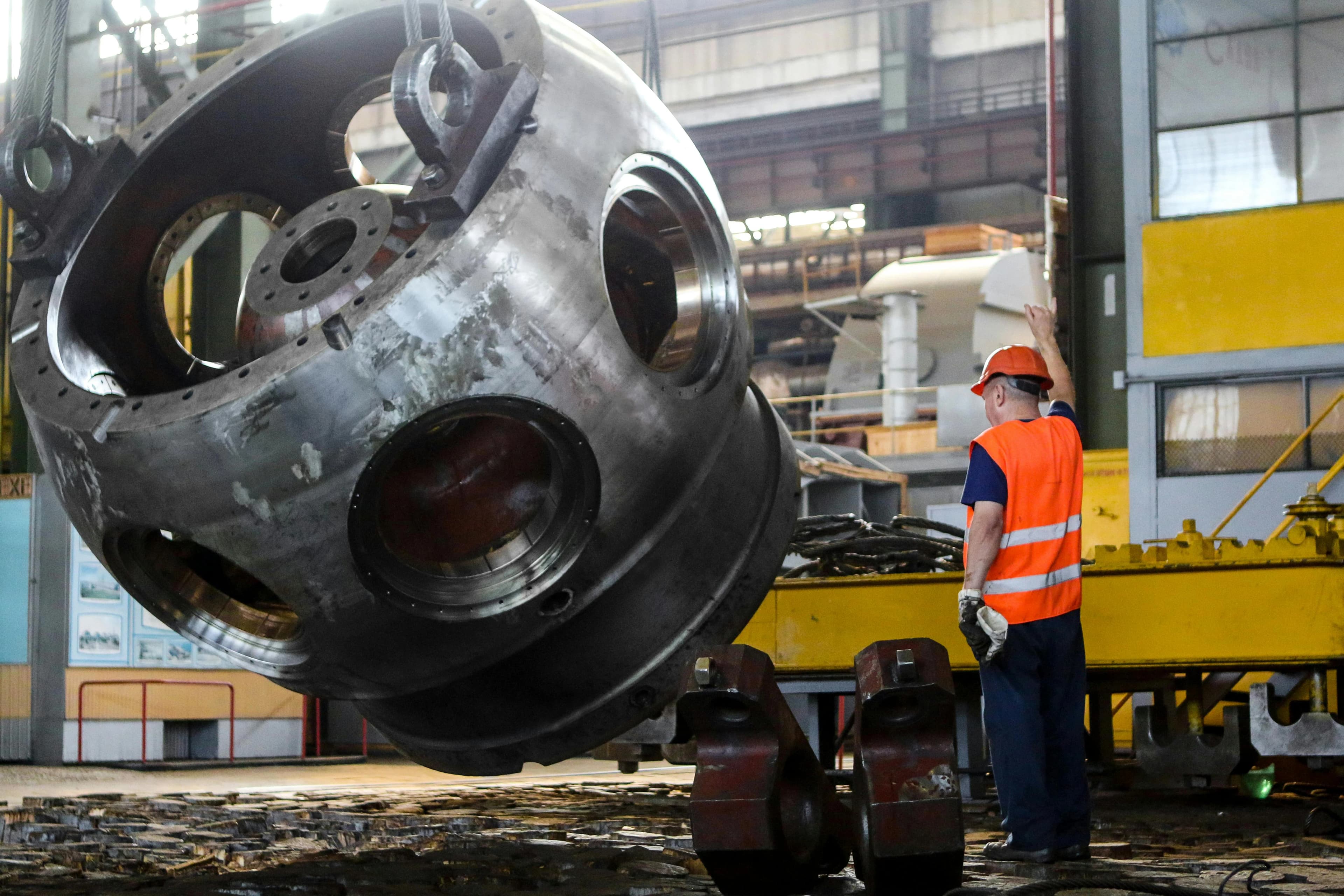
Overall Equipment Effectiveness represents the gold standard for measuring manufacturing productivity. It breaks down plant floor performance into three distinct measurable components. These are availability, performance, and quality. Plant managers spend significant capital upgrading machinery to improve these metrics. Yet a critical variable often remains disconnected from this data. That variable is the workforce schedule.
Machines do not run themselves. Equipment availability drops when maintenance staff are not scheduled during high-risk times. Performance suffers when a line lacks enough operators to maintain standard cycle times. Quality degrades when fatigued workers miss defects at the end of a long shift.
Aligning your staff schedule with your Overall Equipment Effectiveness metrics solves these problems. You can move from reactive staffing to predictive scheduling. This approach ensures the right skills are on the floor exactly when the equipment needs them.
Understanding the Labor Impact on OEE Components
To schedule effectively around equipment metrics, you must understand how human capital directly influences each part of the formula.
The Human Element in Availability
Availability measures unplanned and planned stops. These include equipment failures, material shortages, and changeovers. Labor scheduling plays a massive role here.
When a machine goes down unexpectedly, the time to repair depends heavily on exactly who is in the building. Having advanced maintenance technicians scheduled only on the first shift creates massive vulnerability during the night shift. Changeover times also reflect labor planning. A changeover that takes one hour with a primary operator might take three hours with an inexperienced crew.
Scheduling must plan for planned stops. If a weekly deep clean takes four hours, scheduling a skeleton crew during that window extends the downtime. You need adequate headcount aligned directly with planned maintenance windows.
Staffing for Optimal Performance
Performance accounts for slow cycles and small stops. This metric tracks when equipment runs at less than maximum speed.
Labor significantly impacts performance through material handling and line balancing. An operator might pause a machine because they are waiting for raw materials to arrive from the warehouse. This happens frequently when forklift drivers are stretched across too many departments.
Fatigue also drives down performance. Production speeds often dip during the last two hours of a twelve-hour shift. Structuring break times strategically keeps operators sharp and machines running at ideal speeds.
Labor Competence and Quality
Quality targets defective parts and parts that require rework. This includes parts scrapped during startup.
The correlation between worker experience and product quality is absolute. Scheduling too many new hires on the same shift invariably leads to higher defect rates. Quality assurance inspectors need to be staggered across shifts to catch errors early. If quality checks bank up because the QC department is understaffed on weekends, the machines either stop or produce out of spec products.
Strategies for OEE Driven Scheduling
You can implement practical scheduling changes based on your equipment data. The goal is matching workforce capacity to machine demand.
Staggering Shifts for Continuous Operation
Many plants run traditional shifts that pause operations during breaks. Every time a line shuts down and starts up, you lose both availability and quality. Startups are notoriously prone to generating scrap.
Staggered scheduling solves this. Instead of a uniform lunch break for the entire floor, you break the staff into three groups.
- Group one takes their break at eleven.
- Group two goes at eleven thirty.
- Group three goes at noon.
Cross trained relief operators cover the stations during these intervals. The machines never stop running. This requires precise scheduling. You must ensure the relief operators possess the exact certifications needed for the machines they cover.
Aligning Maintenance with Production Rhythms
Maintenance schedules usually dictate production schedules. It often makes sense to flip this paradigm. Analyze your downtime logs to find out when machines typically fail.
If your data shows a spike in micro stops during the third shift, you need more technical support on that shift. You can schedule a hybrid role. This is an operator who possesses level one maintenance certification. They can handle simple resets and clear jams without calling a dedicated mechanic.
Planned maintenance should occur when labor costs run the highest. This minimizes the financial impact of machine downtime. If weekend shift premiums cost twenty percent more, schedule your planned maintenance on Tuesday morning.
Balancing Experience Levels Across Shifts
Shift bidding often results in the most senior operators clustering on the weekday morning shift. This leaves weekend and night shifts staffed predominantly by junior employees.
Your quality and performance metrics will reflect this imbalance. Equipment speed will drop on nights. Defect rates will rise on weekends.
You must mandate a minimum skill mix per shift. Define the necessary competencies for each production line. You might require one master operator, two intermediate operators, and one novice per cell. The scheduling software must restrict assignments that violate this ratio. Treat skills matrix compliance with the same strictness as overtime limits.
Leveraging Metrics to Determine Headcount
Plant managers frequently base headcount on historical budgets rather than current equipment data. You can build a more accurate model using your production records.
First you define the theoretical maximum output of your facility. Then you calculate your current performance baseline. The gap between theoretical and actual output dictates your true labor requirement.
Sizing the Setup Crew
Changeovers destroy equipment availability. Single Minute Exchange of Die principles teach us to convert internal setup time to external setup time. This requires people.
Calculate the lost revenue from an average changeover. Compare that to the cost of adding a dedicated setup technician to the schedule. If hiring one person reduces changeover time by thirty minutes across four machines every day, the financial return is usually massive.
The schedule must clearly designate the setup crew. They should not be pulled into regular operator tasks. Their sole function is anticipating tool changes and staging materials before the machine stops.
Utilizing Floating Workers
Variability ruins schedules. An unexpected sick call leaves a critical machine unmanned.
A floating operator absorbs this variability. This highly skilled worker does not have a designated machine on the schedule. They fill gaps caused by absenteeism. When absenteeism is zero, they conduct on the job training or relieve bottlenecks.
Scheduling one float for every twenty standard operators represents a solid baseline. This prevents a single absence from shutting down a multi million dollar assembly line.
Implementing the Scheduling Overhaul
Changing shift structures and scheduling rules creates friction. Employees build their lives around their work schedules. You must manage the transition carefully.
Conduct a Baseline Assessment
Pull three months of production data. Segment the data by shift, day of the week, and specific machine lines.
Look for clear patterns. Compare these drops against the schedule you ran on those days. You will typically find clear correlations between performance drops and understaffing or low experience levels.
Pilot the Changes on a Single Line
Do not redesign the schedule for the entire plant at once. Choose a single problematic production line.
Explain the data to the operators on that line. Tell them exactly why you are introducing staggered breaks or a dedicated setup operator. Run the new schedule for four weeks.
Measure the impact on the equipment. If the new schedule improves metrics, document the financial gain. You can use this proof to justify rolling out the changes to the rest of the facility.
Update Job Descriptions and Training
OEE driven scheduling requires flexibility. You cannot run a dynamic schedule if your workforce operates in rigid silos.
Cross training becomes your most valuable asset. An operator who can run three different machines provides three times the scheduling flexibility. Tie compensation to the number of machines an employee can operate at standard efficiency.
Update the training matrix every week. The scheduling supervisor must reference this matrix daily to ensure the right skills cover the right machines.
Overcoming Common Scheduling Roadblocks
You will face challenges when aligning people with equipment data. Knowing these obstacles helps you navigate them.
Dealing with Absenteeism
A perfect schedule falls apart when three people call in sick. Cross training and floating operators mitigate this.
You also need clear escalation protocols. The supervisor needs a prioritized list of machines. If labor falls short, they must know exactly which line to shut down first. Shut down the equipment with the lowest profit margin or highest current inventory buffer. Never leave this decision to chance on the floor.
Managing Overtime Fatigue
Plant managers often plug scheduling gaps with mandatory overtime. This is a temporary fix that destroys long term equipment metrics.
Fatigued workers make mistakes. Mistakes cause scrap. Fatigue slows reaction times. Slow reactions cause machine jams.
Set hard limits on consecutive working hours. The schedule must block operators from working more than twelve hours in a single stretch. The drop in quality and performance outweighs any production gain from that exhausted employee.
Software and Tools
Spreadsheets fail at complex scheduling. They cannot track certification expirations alongside shift preferences and equipment maintenance windows.
You need scheduling tools designed to handle multiple variables. The system must flag a supervisor instantly if they assign an operator to a machine they are not certified to run. It must prevent scheduling a junior crew without senior supervision. Automation reduces the administrative burden of building complex schedules.
Continuous Improvement in Labor Management
Equipment effectiveness is not static. Machine upgrades change cycle times. New materials require different handling procedures. Your labor schedule must evolve alongside your equipment.
Review the scheduling metrics monthly. Look at the variance between the planned schedule and the actual hours worked. High variance indicates your planning assumptions are wrong.
Hold weekly meetings between maintenance planners, production supervisors, and human resources. They must review upcoming production demands and equipment services. If preventative maintenance is sliding because the technical staff is too busy fighting fires, you have a staffing problem masquerading as an equipment problem.
Data reveals the truth about operations. Machinery provides exact timestamps for every start, stop, and slowdown. Using this data to optimize equipment while ignoring the people who run it leaves your most important variable to chance. By actively managing your team schedules around these core metrics, you stabilize production, protect your equipment investments, and provide a safer, more predictable environment for your workforce.