Preventative Maintenance for People: Reducing Workplace Fatigue
Workforce Wellness Lead
March 19, 2026
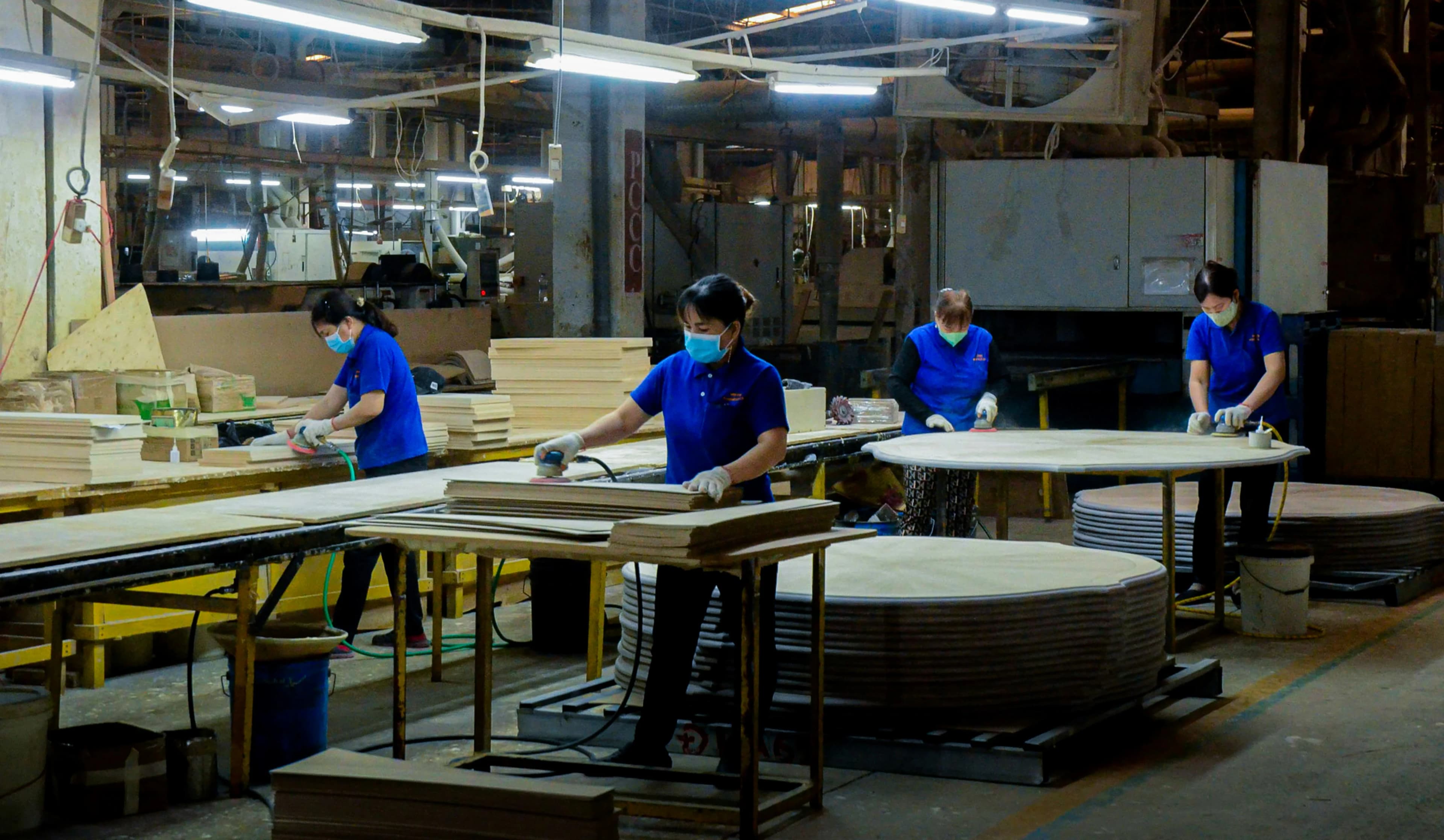
Your Most Expensive Asset is Not in a Crate
Every world class manufacturing facility has an elaborate and data driven schedule for preventative maintenance. We know precisely when a CNC bearing needs to be greased. We know when a hydraulic seal is likely to fail. We know exactly when a drive belt requires re tensioning. However, many operational leaders overlook the most critical and most fragile component of their entire production line which is the human worker.
Workplace fatigue is not just a matter of an employee being tired. It is a physical and neurological state of impairment that is just as dangerous as a faulty sensor or a frayed cable. A fatigued worker is a multi layered liability. They have reduced reaction times that are statistically comparable to alcohol impairment. They suffer from cognitive tunnel vision where critical safety warnings are ignored. And they cause a sharp spike in quality defects that can lead to entire production lots being scrapped.
In the same way you manage your machines to prevent sudden failure, you must manage your workforce to prevent burnout failure. This requires moving beyond a simple headcount approach to labor. You must view your people as a complex system that requires regular care and attention. If you push a machine too hard for too long, it will break. The same is true for your employees.
The True Cost of Human Breakdowns
When a machine breaks down, you lose production time and you have to pay for repairs. When a human breaks down, the costs are much higher and more difficult to quantify. A breakdown can manifest as a chronic illness, a workplace injury, or simply a choice to leave the company. Each of these outcomes is a major hit to your operational efficiency.
The cost of recruiting and training a replacement for a skilled operator can exceed fifty percent of their annual salary. During the transition period, your production quality and speed will suffer. You also lose the institutional knowledge that the veteran worker had. They knew the quirks of the machinery and the specific requirements of your key clients. That knowledge is difficult to replicate with a new hire.
There is also the impact on the rest of the team. When one person burns out and leaves, the workload on their colleagues increases. This creates a ripple effect of stress and fatigue that can lead to even more departures. This is the spiral of a toxic work environment. Preventing these human breakthroughs is one of the most important jobs of a plant manager.
Implementing the Micro Break Reset Protocol
Human concentration is a finite resource. In high precision manufacturing roles, focus begins to degrade significantly after 90 minutes of continuous activity. You should not wait for the standard 30 minute lunch break to give your team a rest. Instead, you should implement a mandatory micro break protocol. This involves 5 minutes of physical movement and mental disconnection every 90 to 120 minutes.
Modern shop floor studies have shown that these short and structured resets can reduce quality control misses by up to 15 percent. They allow the brain to reset and the eyes to rest. This is especially important for workers who are performing repetitive tasks or staring at computer screens. A five minute walk or a quick stretching session can make a world of difference in a 10 hour shift.
This protocol should be built directly into your production schedule. It should not be something that workers feel they have to ask for. It should be an expected part of the day. By making it a standard procedure, you remove the guilt that productive workers might feel about taking a break. You are telling them that their long term performance is more important than five minutes of extra line time.
Ergonomic Task Rotation to Balance the Load
Repetitive motion is a major driver of workplace injuries. If a worker spends an entire shift performing the same motion or standing in the same position, they are inviting a repetitive strain failure. This is why task rotation is a critical part of workforce maintenance. You must build variety into your daily scheduling logic.
Dynamically moving a worker from a physically intense role to a less demanding one halfway through their shift redistributes the physical load. It gives certain muscle groups a chance to recover while others take over. This reduces the risk of long term injuries like carpal tunnel syndrome or chronic back pain. It also keeps the mind engaged by providing a change of scenery and task.
Task rotation requires a cross trained workforce. You cannot rotate people if they only know how to do one job. This is another reason why investing in training is a labor strategy. A flexible team is a healthy team. By rotating tasks, you are not just preventing injuries. You are building a more resilient and capable workforce.
Eliminating the Danger of the Quick Return
The primary cause of catastrophic industrial accidents is the quick return. This occurs when a worker is scheduled for a morning shift only 8 hours after finishing a late evening or night shift. This prevents the brain from entering the restorative sleep cycles needed for industrial safety. It leaves the worker in a state of permanent exhaustion.
High performance facilities mandate a strict 11 hour clear reset window between shifts. This is not just a benefit for the worker. It is an insurance policy for the plant. A worker who has not had enough sleep is a danger to themselves and everyone around them. They are less likely to follow safety protocols and more likely to make a critical error on the line.
Your scheduling software should automatically flag any assignments that violate this 11 hour rule. It should block managers from creating unsafe schedules. Protecting your team from their own desire to work extra hours is part of your responsibility. Long term reliability is far more valuable than a few hours of emergency coverage.
Nutrition and Hydration as Vital Fuel
We would never put the wrong fuel in a million dollar machine. Yet we often ignore the nutritional needs of our workforce. A factory floor is a physically demanding environment. Workers need proper hydration and balanced nutrition to perform at their best. Dehydration leads to fatigue and reduced cognitive function long before the worker feels thirsty.
Provide easy access to clean water and healthy snacks. If you have an on site cafeteria, ensure that the menu is designed for industrial workers. Avoid heavy and greasy foods that lead to a mid afternoon crash. Instead, focus on lean proteins and complex carbohydrates that provide sustained energy.
Encourage your team to take their meal breaks away from their workstations. This provides a mental break as well as a physical one. Small changes in how you handle nutrition can lead to significant improvements in alertness and morale. Treat your people with the same care you give your machinery and you will see the results in your production data.
The Role of Supportive Leadership in Maintenance
Preventative maintenance for people is also about leadership. A supportive and transparent management style reduces the stress that leads to burnout. Workers who feel valued and heard are more resilient to the challenges of the job. They are also more likely to report problems before they become crises.
Moving from a command and control style to a supportive one requires a shift in mindset. It means asking for feedback and acting on it. It means being honest about challenges and celebrating successes. When workers trust their leaders, they are more engaged and more productive. They take pride in their work because they know it matters to the organization.
Regular check ins with your team should be a standard part of your week. Use these meetings to talk about things other than production quotas. Ask about their well being. Ask if they have the tools they need to do their jobs safely and effectively. This human connection is the lubricant that keeps your operation running smoothly.
Creating a Safety Culture as Preventative Care
Safety is the ultimate form of preventative maintenance. A strong safety culture protects your workers and your business. It is about more than just wearing the right gear. It is about an organization wide commitment to doing things the right way every time.
This starts with training. Every worker must be fully competent in the safety protocols of their role. But it also requires accountability. When safety rules are broken, there must be consequences. And when workers identify safety risks, they must be rewarded for speaking up.
A well maintained factory is a safe factory. There are no loose cables, no cluttered walkways, and no ignored warning signs. This environment sends a clear message to the workforce that their safety is a top priority. When people feel safe, they can focus on their work. They are not constantly looking over their shoulder for the next accident.
Employee Feedback Loops and the Rattle in the Machine
Experienced operators can often hear a problem in a machine before it breaks. They know what a healthy line sounds like. They can sense a vibration or a rattle that indicates a part is wearing out. The same is true for your workforce. Your employees see the problems on the floor long before they show up in your reports.
You need a way to capture this feedback. Create formal and informal channels for workers to share their ideas and concerns. Use digital tools or physical suggestion boxes. Hold regular town hall meetings where people can speak their minds. But most importantly, you must act on this feedback.
If a worker reports a safety hazard and nothing happens, they will stop reporting hazards. If they suggest a way to improve a process and are ignored, they will stop looking for improvements. Listening to your team is how you catch the rattles in your organization before they lead to a total shutdown. It is an essential part of your maintenance schedule.
Incentivizing Reliability over Short Term Bursts
Many reward systems on the factory floor focus on short term output. They celebrate the shift that moved the most units. While this is good for meeting a deadline, it can encourage risky behavior. Workers might skip safety steps or ignore maintenance requirements to hit their targets.
Instead, you should look for ways to incentivize long term reliability. Reward teams that have the lowest scrap rates or the longest streaks of accident free days. Celebrate the workers who are most consistent in their performance. Focus on the quality of the work rather than just the quantity.
This shift in focus encourages a more sustainable pace of work. It discourages the hero culture where one person works 80 hours a week to save the day. While that person might be helpful in a crisis, they are also a major burnout risk. You want a factory filled with elite athletes, not one filled with exhausted sprinters.
Continuous Development as a Career Maintenance Plan
Machinery needs upgrades and updates to stay relevant. The same is true for the human mind. Continuous development is how you maintain the skills and engagement of your workforce. Provide opportunities for people to learn new roles and technologies. Support their efforts to gain new certifications or take courses.
This investment in career maintenance pays off in many ways. It keeps your team's skills up to date with the latest industry trends. it improves retention because people see a future with your company. And it makes your facility a more attractive place for new talent.
Create a formal development plan for every employee. Talk about their goals and how the company can help them achieve them. This shows that you value them as individuals and not just as labor units. A workforce that is constantly learning is a workforce that is constantly improving your business.
Conclusion: Workforce Wellness as a Profit Center
A well rested, ergonomically supported, and mentally engaged worker is your facility's most productive asset. When you treat your staff's physiological well being with the same rigor and data driven precision that you apply to your most expensive robotic arm, you are not just being a good employer. You are actively protecting your bottom line.
By integrating these fatigue management and ergonomic principles into your scheduling workflow, you reduce scrap, eliminate accidents, and build a workforce that is as durable and efficient as the products they create. Stop running your people into the ground and start maintaining them for peak industrial performance.
The return on investment for workforce wellness is significant. It shows up in lower turnover, higher quality, and better safety records. It makes your facility a leader in your industry. When you prioritize preventative maintenance for people, you are building a foundation for sustainable growth. Your workers will be healthier, your products will be better, and your business will be more successful. Focus on the human element and everything else will fall into place.