Temporary agency labor onboarding and scheduling without slowdown
Operations Team
April 18, 2026
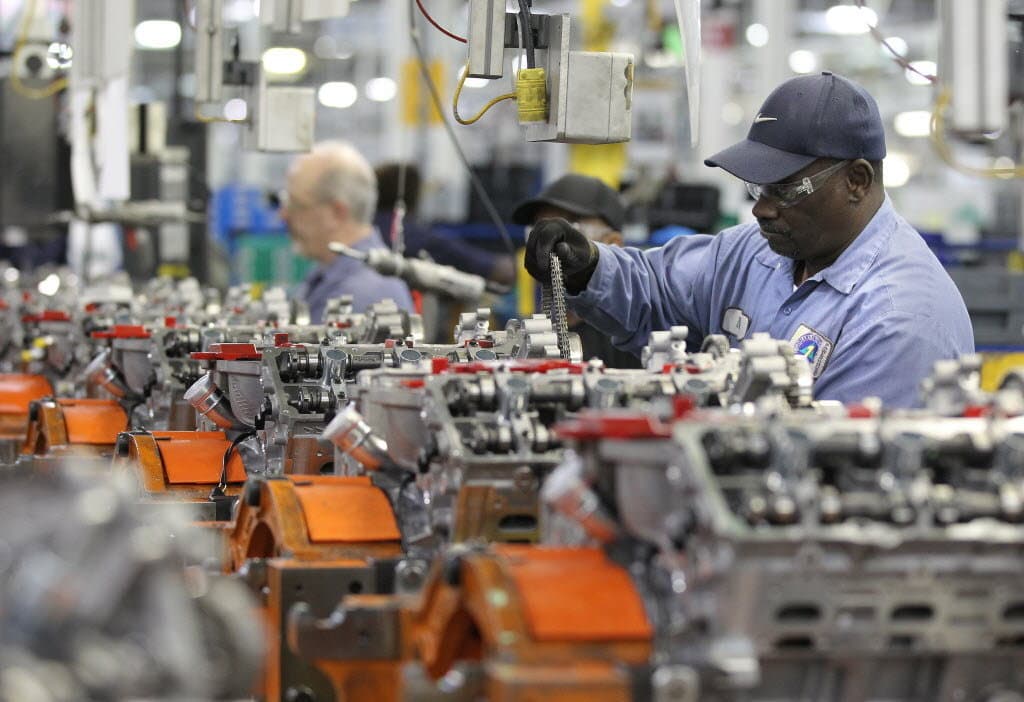
Temporary agency labor can be a lifeline when volume spikes, absenteeism rises, or turnover hits. It can also be a hidden drag when onboarding is slow, supervision is stretched, and work is re done due to mistakes. The difference is not the agency. The difference is whether your plant has a repeatable system that makes a new person productive safely within the first shift.
This guide focuses on day one performance. It gives you an onboarding and scheduling approach designed for real manufacturing conditions where leaders are busy and the line must run.
Start with role clarity and constraints
Do not bring in temporary workers without a clear plan for what they will do and what they will not do.
Define temp appropriate roles
Good temp roles are
- Lower complexity and easy to verify
- High labor content with clear standard work
- Low risk for critical quality escapes
- Low exposure to complex machine setup
Roles that are often poor fits for day one temps
- Machine setup and changeover
- Complex inspection with nuanced judgment
- Hazardous tasks requiring extensive certification
- Material handling in congested travel lanes without training
This is not a value judgment. It is risk management.
Define supervision capacity
If you add ten temps and no additional supervision, you will slow down. Plan a supervision ratio that is realistic for your site.
Common actions
- Assign one lead as the temp point person
- Use experienced buddies for each small temp group
- Reduce non essential tasks for leads during peak temp periods
Build an onboarding packet that fits in thirty minutes
Traditional onboarding fails for day laborers because it is long and generic. You need a fast onboarding that covers what keeps people safe and productive.
Core topics only
In the first onboarding block, cover
- Site safety essentials and emergency response
- PPE rules and where to get PPE
- Where to report and how to ask for help
- Basic quality expectations and stop rules
- Timekeeping and attendance expectations
- Break timing and where to take breaks
Do not flood people with policies they cannot remember. Give them a short set of rules that matter today.
Use visual aids
A one page map of
- Muster points
- Restrooms
- Break area
- First aid station
- Supervisor station
A one page quality card with
- What defects matter most in their role
- How to flag a problem
- What to do with suspect product
Use a skills and restrictions check before assignment
Temps come with varied experience. Some have forklift experience. Some have never been on a line. Some have restrictions you need to respect.
Fast intake checklist
At check in, capture
- Prior manufacturing experience, yes or no
- Prior material handling experience, yes or no
- Comfortable with standing for full shift, yes or no
- Any restrictions they must follow
- Preferred language for training support if relevant
Keep it respectful and simple. You are not collecting a life history. You are preventing a mismatch.
Assign based on risk first
If someone has no line experience, start them in a role with clear visual cues and low consequence errors. If someone has experience, do not assume competence. Verify with a quick demonstration of the task.
Make standard work readable and enforced
Temps struggle most when tasks are explained verbally once and then forgotten.
Create station cards
Every temp friendly station should have a station card with
- Step sequence in plain language
- Photos of correct and incorrect conditions
- Quality checkpoints
- Safety hazards and controls
- Who to call when stuck
Cards must be updated and controlled. If cards are wrong, you train defects.
Use short demonstration training
A reliable training pattern
- Trainer demonstrates the task at normal pace
- Trainer demonstrates again while explaining key points
- Temp performs the task while trainer watches
- Trainer gives one improvement at a time
- Temp performs again until stable
Avoid long lectures. Use repetition and feedback.
Schedule temps in a way that protects flow
Scheduling is not just putting names on a shift. It is deciding where variability will be absorbed.
Avoid putting all temps on the same critical path
If all temps are placed at the same bottleneck station, you amplify variability. Spread temps across stations where mistakes can be caught and corrected quickly.
Examples
- Place a temp on kitting while an experienced operator runs the critical machine
- Place a temp on packing while an experienced operator handles final verification
- Place temps on secondary operations while core operations stay stable
Stagger start times for rapid onboarding
If twenty temps arrive at once, you create a line of confusion. Stagger start times in small waves if possible.
Benefits
- Trainers can focus
- PPE stations do not get clogged
- Assignment decisions improve
- Early issues are detected before the next wave
If the agency cannot stagger, you can still stagger your internal onboarding flow with multiple trainers and a clear check in process.
Build a daily temp plan before the shift
A good temp plan includes
- Headcount requested and confirmed
- Assigned roles and backups
- Named trainers and buddies
- Expected output impact and risk notes
- A plan for no shows
Without a plan for no shows, the day starts in scramble mode.
Protect quality with simple verification steps
Temps will make mistakes. The goal is to catch them early.
Add a first hour quality check
In the first hour of a temp assignment, run a structured check
- Verify the first batch meets spec
- Verify labels and counts
- Verify packaging meets standard
- Give immediate feedback and retrain if needed
Do not wait until end of shift. Early correction saves rework.
Use buddy sign off for critical steps
If a role includes one critical step, require buddy sign off until the temp has shown stable performance.
This is not mistrust. It is controlled release.
Manage fatigue and ergonomics on day one
Temps often over grip and over tense because they are nervous. They also may not know how to pace.
Use short stretch blocks
Use the same five minute stretching blocks you use for regular staff. Temps should be included. It reduces fatigue and helps prevent early soreness that drives next day no shows.
Teach pace and posture
In the first hour, coaches should remind
- Use neutral wrist and avoid over gripping
- Keep shoulders down and relaxed
- Take micro resets during natural pauses
- Ask for help before forcing a jam
If a tool requires excessive force, fix the tool. Do not tell people to push through.
Communication that works with a rotating workforce
Temps need clear communication or they will default to guessing.
Use one channel and one point of contact
Pick one communication method for the shift
- A designated lead or coordinator for temps
- A clear location where temps can report issues
- A simple hand signal or call for help rule
Do not tell temps to ask anyone. That leads to no one owning the answer.
Provide simple language expectations
Examples of expectations to state clearly
- If you are unsure, stop and call the buddy
- If you see a defect, place it in the hold area and notify the lead
- If you feel pain, tell the lead immediately
These are safety and quality controls.
Reduce turnover by making day one predictable
Agency workers talk to each other. If day one is chaos, you will get more no shows.
What makes day one predictable
- Fast check in with clear next steps
- PPE ready and sized
- A named trainer and buddy
- A clear station and clear expectations
- A fair break schedule and respectful treatment
- A clear end of shift checkout
A predictable day makes people more likely to return.
Keep the agency relationship operational, not emotional
When performance is poor, leaders often blame the agency. Sometimes that is fair. Often the plant process is the bigger issue.
Give the agency clear requirements
- Arrival time expectations
- Required PPE provided by agency or by site
- Minimum experience levels for certain roles
- No show reporting expectations
Provide feedback with specifics
Instead of vague complaints, provide
- Attendance rates by day
- Roles where performance was strong or weak
- Safety incidents or near misses
- Training gaps observed
Specific feedback helps the agency recruit better matches.
A weekly system that keeps you out of firefighting
Maintain a temp ready role list
Create a list of roles with
- Standard work card available
- Training time estimate
- Buddy assignments available
- Quality risk rating
- Exposure risk notes
When volume spikes, you can assign quickly without making it up.
Maintain a trainer roster
Identify who can train and when. Training is work. Plan it.
Review temp effectiveness weekly
A short weekly review
- Attendance and no show rate
- Quality issues tied to temp work
- Safety events
- Throughput impact
- Roles that need better standard work
Then act on one improvement each week.
Implementation plan you can start immediately
Week one set the foundation
- Build the thirty minute onboarding packet
- Create station cards for top temp roles
- Define readiness and check in flow
- Assign a temp coordinator per shift
Week two pilot with one crew
- Bring in a small temp group
- Run the onboarding and assignment system
- Measure quality checks and output impact
- Adjust station cards and training steps
Week three scale and standardize
- Expand to more roles
- Formalize buddy sign off rules
- Standardize scheduling waves if possible
- Add a weekly review rhythm
What good looks like
When the system is working
- Temps are checked in and assigned quickly
- Trainers have time and clear expectations
- Temps contribute without dragging the line
- Quality issues are caught in the first hour
- Safety rules are followed without constant policing
- The agency can reliably fill roles because requirements are clear
Temporary labor does not have to slow you down. With clear role selection, fast onboarding, consistent standard work, and scheduling that protects the critical path, you can use temps to absorb volatility while keeping throughput and quality stable.