Warehouse and shop floor sync so loaders are ready on time
Operations Team
April 18, 2026
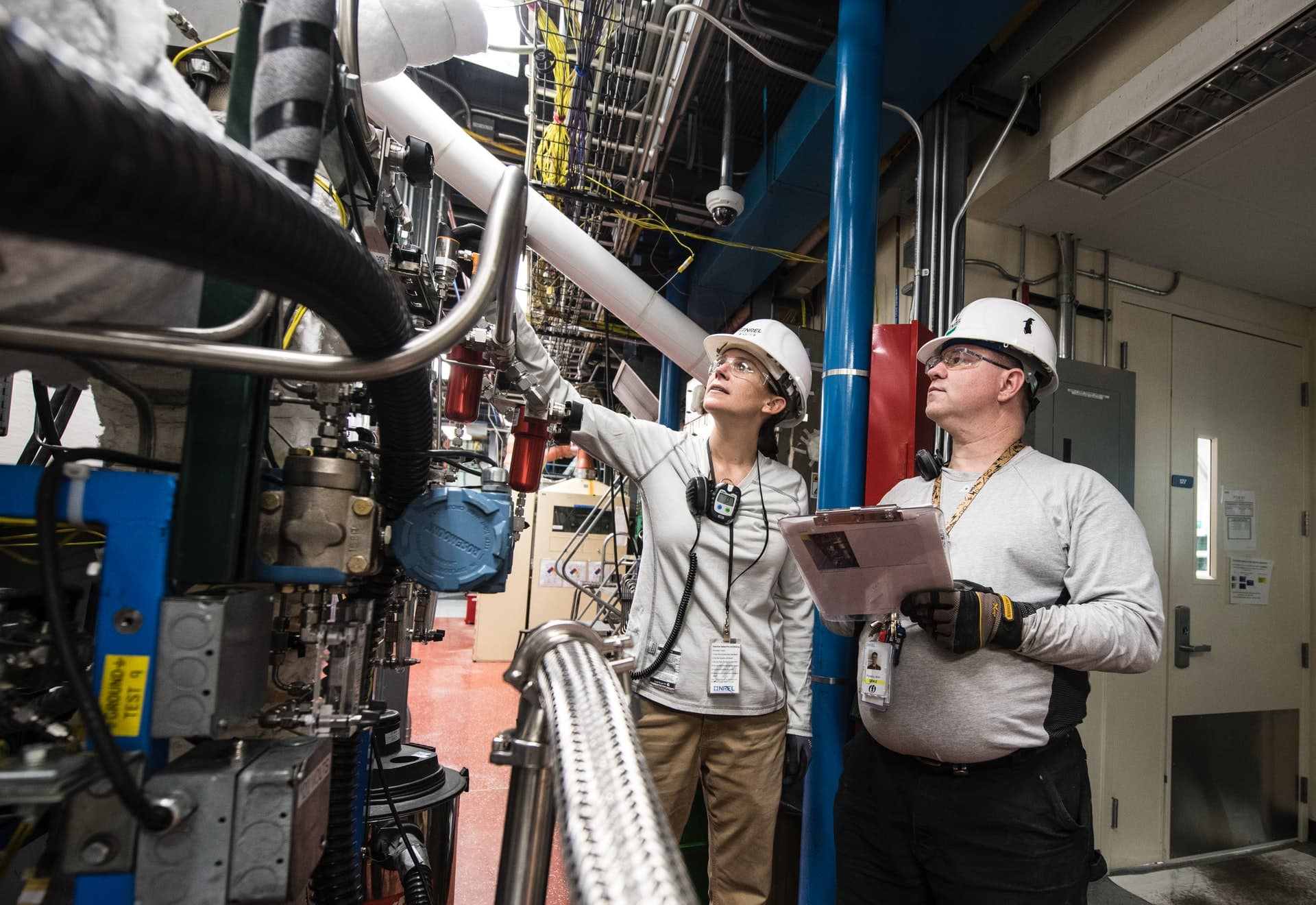
Many plants lose time and create conflict at the same point every day. Pallets come off the line, but the next step is not ready. Production says the warehouse is slow. Warehouse says production is unpredictable. Loaders get blamed. Supervisors spend hours chasing, expediting, and apologizing.
The fix is rarely a single person working harder. The fix is a handoff system that makes flow visible, sets expectations for readiness, and assigns ownership for staging and pickup. When the handoff is clear, loaders can be in position before pallets arrive and production can keep running without building unsafe piles of finished goods.
This guide lays out a straightforward way to synchronize shop floor output with warehouse loading capacity. It does not require a new system purchase. It does require consistent routines and basic planning discipline.
Define what ready means
Teams argue because words are vague. Start by defining ready in operational terms.
Readiness standards for the warehouse
A loader is ready when
- The correct trailer or door is assigned
- A staging lane is available and labeled
- Material handling equipment is available and charged
- The loader has the pick list or load plan
- Any required paperwork is known and prepared
Readiness standards for production
A pallet is ready when
- It is wrapped or otherwise secured to your standard
- It has a legible label in the standard location
- It is scanned or recorded to the correct order
- It is placed in the correct lane without blocking travel paths
- It meets quality hold release rules
If either side is not meeting its readiness standard, the handoff will fail. Put these standards in writing and train to them.
Map the physical flow and remove hidden travel time
Before you change schedules, map how pallets actually move.
Walk the path of one pallet
Start at end of line and follow the exact route to the dock. Note
- Distance and turns
- Congested points
- Doorways and intersections
- Places pallets accumulate
- Places forklifts wait
Many handoff failures are actually travel time failures. If the staging area is far or blocked, loaders appear late even when they are working.
Reduce non value travel
Common fixes
- Re mark travel lanes and staging lanes
- Move high volume lanes closer to the dock
- Create one way travel loops in tight areas
- Store wrap and labels where they are used
If you reduce travel time, you buy capacity without adding equipment.
Make the flow visible in real time
A handoff works when both sides share the same view of what is coming and what is late.
Use a simple visual board first
You can start with a board near the dock or near end of line. Track
- What orders are running now
- What pallets are expected next
- What door or trailer they go to
- Who owns the next pickup
Keep it current. If the board is not updated, people stop trusting it.
Use scan events if you already have them
If pallets are scanned at end of line, use that event to drive a signal to the warehouse. The signal does not need to be fancy. It needs to be consistent.
You can also use a manual call if scans are not reliable yet. Reliability matters more than automation.
Create a pull signal so the warehouse is not guessing
Warehouse teams struggle when they only learn about pallets after they arrive. You need a signal that triggers staging and pickup before the physical pallet becomes a problem.
Two stage signal works well
Stage one is a heads up that a run is starting
- Product family
- Expected pallet rate
- Expected completion window
Stage two is a pickup call
- Pallet count ready now
- Lane location
- Door assignment
If you only have stage two, the warehouse is always reacting. Stage one allows staffing and door planning.
Plan staffing around peaks, not averages
Most docks are staffed for the average hour and then drown during peaks. Production lines often have natural peak periods such as after a changeover or when a downstream constraint clears.
Identify your peak windows
Use a week of data or direct observation. Track
- Pallets per hour by line
- Calls for pickup by hour
- Trailer arrivals and departures
- Forklift utilization if you can estimate it
Then align staffing so the highest warehouse coverage occurs when production output peaks. If staffing cannot change, then shift production sequencing so peaks are smoothed.
Protect a dedicated loader role during peaks
If loaders are constantly pulled to do put away or fetch supplies, they will not be staged when pallets arrive. During peak finished goods flow, assign one person to loading and staging only.
This is a policy decision. Without it, the handoff becomes a constant negotiation.
Standardize staging lanes and rules
Chaos often comes from improvisation. People put pallets where there is room. That creates searching, rehandling, and blocked paths.
Create lane rules
Examples of lane rules
- Each lane has one destination or order group
- Each lane has a maximum stack count for safety
- Lanes are kept clear of mixed product
- Lanes have a clear first in first out direction
Mark lanes clearly. Train to the rules. Enforce the rules daily. If rules are optional, they do not exist.
Assign lane ownership
If a lane is messy, someone must own cleanup. Usually that is the shift lead for the area closest to the lane, with support from the other team when needed. If ownership is shared without a primary, it will be ignored.
Create a daily handshake between teams
A short daily handshake prevents most surprises.
What to cover in ten minutes
- Today production plan by line and product family
- Expected finished goods volume by hour block
- Any hot orders or cutoffs
- Trailer schedule and dock constraints
- Equipment issues such as a down forklift
- Staffing constraints on both sides
Keep it fact based. No blame. The goal is coordination.
Capture two commitments
End the handshake with two commitments
- Production commits to a signal timing and labeling standard
- Warehouse commits to staging readiness and pickup response time
Commitments should be specific and measurable.
Set response time targets that reflect reality
Do not set targets that sound good but cannot be met.
Define pickup response time by area
Response time depends on travel distance and equipment. A realistic standard might be a few minutes for near lanes and longer for far lanes. Define it.
Then use it for planning and escalation. Do not use it for punishment without context.
Define escalation rules
Escalation should be automatic when either side cannot meet the standard. Example escalation logic
- If a lane reaches its maximum safe count, call for immediate pickup
- If pickup response time is exceeded, notify the dock lead
- If a door is unavailable, reassign destination and update the board
Escalation is a process, not a panic.
Make loader readiness a schedulable activity
Loader readiness is not only being at the dock. It includes staging equipment, verifying doors, and preparing load plans.
Create a readiness checklist
A simple checklist for the start of shift and after breaks
- Confirm assigned doors and trailer positions
- Check forklift charge and function
- Confirm staging lanes are clear
- Confirm load plan priorities
- Confirm wrap and label supplies in staging area
- Confirm communication method for pickup calls
When readiness is checked, it becomes routine.
Align packaging and labeling to reduce rework at the dock
Warehouse teams lose time when pallets arrive with inconsistent wrap, damaged corners, or unclear labels.
Standardize label placement
Pick one location and one orientation. Train it. Audit it. When labels vary, loaders waste time scanning and searching.
Standardize wrap strength for transport
If wrap fails in transit, the dock becomes cautious and slow. Use a wrap standard that matches your loads. If you use corner boards or straps, make the rule clear and consistent.
Use small buffers deliberately, not as piles
Buffers can help smooth variability. Uncontrolled piles create safety risk and hide problems.
Define buffer targets
Examples
- Two pallets buffer for a high variability line
- One pallet buffer for a steady line
- No buffer in a narrow aisle zone
Buffer targets should be visible. When the buffer exceeds the target, that is a signal to adjust staffing, sequencing, or pickup priority.
Fix the root cause when the same conflict repeats
If the same line always overwhelms staging, do not keep fighting. Investigate.
Common root causes
- Production schedule changes not communicated
- Mixed pallets causing extra sorting
- Trailer assignment changes late in the day
- Door congestion due to inbound and outbound mixing
- Forklift availability issues during breaks
- Excessive travel distance between end of line and dock
Pick one root cause per week and fix it. Small steady improvements beat big reorg attempts that never land.
Metrics that actually help
Do not track too many metrics. Track a few that show flow.
Core metrics
- Pallets waiting time in staging lane
- Pickup response time from call to move
- Rehandles per pallet, estimate is fine
- Line stoppage minutes due to full staging
- Safety incidents and near misses in staging areas
Review weekly with both teams. When both teams see the same data, the conversation gets easier.
Implementation plan you can run in a month
Week one define and map
- Define readiness standards
- Map pallet flow and identify congestion
- Mark lanes and define lane rules
Week two create visibility and signals
- Implement a visual board or shared view
- Implement stage one and stage two signals
- Train leads and loaders on the routine
Week three pilot and adjust
- Pilot on one line and one dock zone
- Track response time and waiting time
- Fix label placement and wrap issues
Week four standardize and expand
- Standardize handshake meeting
- Standardize escalation rules
- Expand to other lines and lanes
What good looks like
When the system works, you see
- Pallets move into defined lanes and do not block travel paths
- Loaders can predict what is coming in the next hour block
- Production stops building piles to protect itself
- Warehouse stops being surprised by volume spikes
- Fewer urgent calls and fewer end of shift scrambles
Warehouse and shop floor sync is not about forcing one side to serve the other. It is about building a shared handoff that makes flow predictable. When readiness and signals are standard, loaders are ready when pallets come off the line and both teams spend less time fighting and more time moving product.