How to Handle Rush Hour Without Chaos
Mark Evans
March 20, 2026
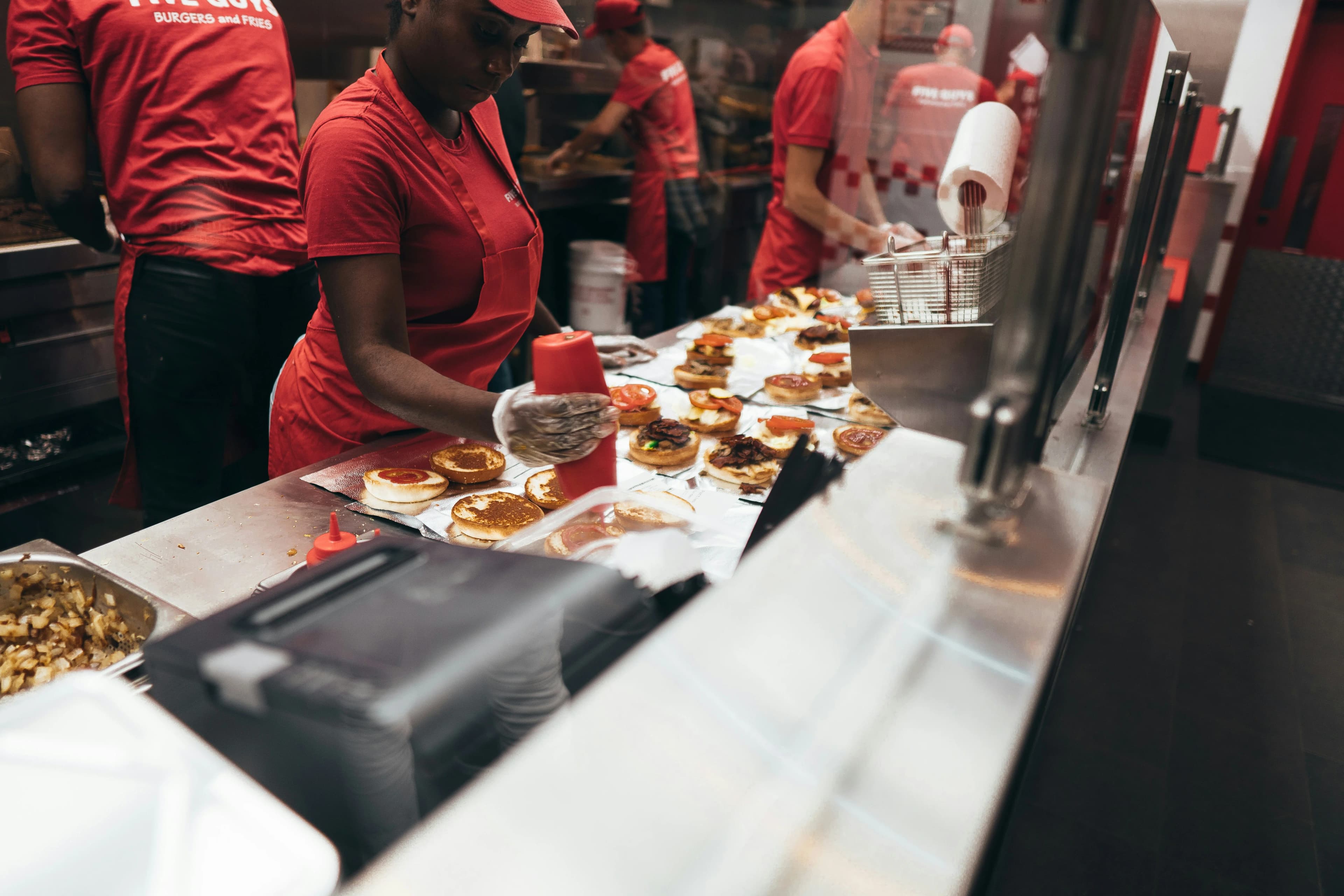
How to Handle Rush Hour Without Chaos
In the life of a restaurateur there is no moment more intense than Friday night at seven thirty. For many the rush is a period of high stress survival where the kitchen gets buried and the front of house begins to show their stress and the guest experience slowly begins to erode. This is a common scene in poorly managed establishments but it is not a requirement of the industry.
In 2026 world class operators do not just survive the rush. They master it. They understand that panic is a contagious operational failure. When your leadership team is frantic the staff follows suit. This leads to slower ticket times and a spike in errors and a vibe that scares away future regulars. True efficiency is the ability to turn that chaos into a well oiled machine that remains profitable and calm.
The Strategic Role of the Expeditor
The most important person on the floor during a hundred ticket rush is not the Head Chef or the General Manager. It is the expeditor. This is the air traffic controller at the pass who is not physically cooking food. Their entire job is to manage the flow of tickets and ensure every garnish is perfect and coordinate the front of house runners.
A dedicated expeditor provides a calm and clear voice that cuts through the heat of the kitchen. They call the tickets and remind the line of modifications and act as the final quality control gate. Without this role the kitchen often devolves into a series of shouting matches and redundant questions.
The Velocity Effect of Clear Communication
A strong expeditor can typically reduce ticket times by five to seven minutes during peak service. By eliminating the confusion about which table needs which dish you keep the kitchen in a state of flow rather than panic. The expeditor should be the only person talking to the line during the rush. This prevents the cooks from being distracted by multiple servers asking about their orders.
The expeditor must also manage the sequence of the tickets. They should know which dishes take longer to cook and coordinate the start times so that everything for a table finishes at the same moment. This ensures that food never sits under a heat lamp getting dry while waiting for a side dish to finish.
Quality Control at the Pass
The expeditor is the last line of defense before a plate reaches the guest. They must check every dish against the order ticket. This includes checking for special requests and allergies and proper presentation. It is much faster to fix a mistake at the pass than it is to have a server bring a dish back from the dining room.
This role requires a high level of authority. The expeditor must be able to tell a senior chef that a dish is not up to standard and needs to be remade. This level of discipline is what separates a professional kitchen from a chaotic one.
Load Balancing and Pacing the Room
Host stands often operate under a seat everyone immediately mentality. While this feels like good service it is often the direct cause of kitchen collapse. When ten tickets for four tops hit the kitchen display system in the exact same thirty second window you have created a bottleneck that the kitchen cannot recover from.
The Pulse Method of Seating
Train your hosts to pulse the room. They should monitor the active ticket count in the kitchen. If the system shows more than twenty open checks the host should hold seating for five to seven minutes even if tables are empty. This small delay allows the kitchen to clear the current backlog before the next wave of orders arrives.
Guests would rather wait five minutes longer at the host stand and receive their food in fifteen minutes than be seated immediately and wait forty five minutes for an appetizer. Control the front door to protect the back line. This strategy requires constant communication between the kitchen and the host stand.
Managing the Waiting Area
When you are pulsing the room the waiting area becomes a critical part of the experience. Use this time to build rapport with the guests. Offer a small sample of a signature drink or a snack. This makes the wait feel like part of the event rather than an inconvenience.
If a guest feels cared for while they wait they will be much more patient if there is a minor delay later in the meal. The goal is to manage the guest perception of time. A busy and energetic bar area can make a fifteen minute wait feel like five minutes.
Pre Shift Preparation and the Miso en Place of Service
Chaos during the rush is often the result of poor preparation before the doors even open. Miso en place is not just for the kitchen. It applies to every department in the restaurant.
The Front of House Setup
The service stations must be fully stocked with everything the servers might need. This includes rolled silverware and polished glassware and backup condiments. A server who has to run to the back to find a clean fork during the rush is a server who is not on the floor taking care of guests.
Check the POS terminals to ensure they are functioning and have plenty of paper. Ensure that all handheld devices are fully charged. These small technical details can cause major disruptions if they fail during peak hours.
The Kitchen Prep List
The kitchen prep list must be based on historical sales data. You should know exactly how many portions of each item you are likely to sell on a Friday night. Prepping too much leads to waste but prepping too little leads to the dreaded eighty six list during the rush.
Running out of a popular item in the middle of a rush causes a chain reaction of confusion. Servers have to go back to tables to ask for new orders and the kitchen has to adjust their flow. Avoid this by having a rigorous prep system that accounts for the expected volume.
Empowering the Staff for Service Recovery
In a busy shift things will eventually go wrong. A world class team is empowered to perform service recovery before the guest even realizes there is a problem.
The Proactive Compensation Strategy
If your expeditor sees that a specific ticket is hitting the twenty five minute mark a manager should be at that table immediately. They should offer a complimentary drink or a small appetizer before the guest checks their watch. By owning the delay before the guest complains you preserve the hospitality and protect your reputation.
Staff should have a clear set of guidelines for what they can offer without asking for permission. This might include comping a dessert for a slow entree or providing a free round of drinks for a table that was seated late. Empowered staff are more confident and less stressed during the rush.
Turning Mistakes into Loyalty
A well handled mistake can actually create a more loyal guest than a perfect meal. When a restaurant goes above and beyond to fix an error it shows that they truly care about the guest experience. This level of service is only possible when the team is not drowning in chaos.
Managers must be visible on the floor during the rush. They should be looking for the early warning signs of a guest who is becoming frustrated. Frequent table touches allow the manager to catch these issues early and intervene before they escalate.
Optimizing the Physical Layout for Flow
The physical design of your restaurant can either support or hinder your efficiency during the rush. Look for bottlenecks in the flow of staff and guests.
Server Pathing and Collision Zones
Analyze the paths that servers take from the kitchen to the dining room. Are there areas where people are constantly bumping into each other? Are the POS terminals located in high traffic hallways? Small adjustments to the furniture layout can create clearer paths and reduce the physical stress on the staff.
The path to the dish pit should be separate from the path to the food pick up area. This prevents dirty dishes from crossing paths with fresh food. Keeping these two flows separate is essential for both efficiency and hygiene.
The Bar as a Service Hub
If your bar is also a service hub for the dining room ensure that the service well is properly staffed and equipped. The bartenders should not have to leave their station to find ice or fruit or glassware. A backup in the bar can slow down the entire dining room as guests wait for their initial drink orders.
Consider a dedicated service bartender who only handles tickets for the floor. This allows the primary bartenders to focus on the guests sitting at the bar. This specialization increases speed and improves the experience for everyone.
Technology as an Efficiency Multiplier
In 2026 technology should be used to remove friction from the service process. This includes everything from the kitchen display system to mobile payment options.
Kitchen Display Systems vs Paper Tickets
Paper tickets are easily lost and difficult to read in a busy kitchen. A digital kitchen display system provides a clear and organized view of every active order. It can track the age of each ticket and highlight orders that are running behind. This data is invaluable for the expeditor and the management team.
The system should also provide data on the average cook time for each station. This allows the chef to identify which areas are struggling and provide additional support before the station collapses.
Mobile Ordering and Payments
Handheld POS devices allow servers to send orders to the kitchen without ever leaving the floor. This keeps them in front of guests and reduces the amount of time they spend running back and forth to a stationary terminal. Mobile payment options also speed up the end of the meal which allows for faster table turnover.
QR code payments at the table can save ten to fifteen minutes of table time per guest. This is time that can be used to seat the next party. When you multiply this by thirty tables it adds up to a significant increase in total covers for the night.
The Psychology of Leadership During the Rush
The energy of the restaurant starts with the leaders. If the manager is yelling and frantic the staff will be on edge. A calm and composed leader creates a sense of safety for the team.
Leading by Example
The manager should be the calmest person in the building. They should speak in a low and steady voice. They should be proactive rather than reactive. Instead of yelling about a mistake they should focus on the solution.
During the rush the manager should be in a position where they can see the entire room. They should be looking for gaps in service and stepping in to help before a station gets overwhelmed. This might mean running a few plates or clearing a table or pouring water. These small actions show the team that the leader is in the trenches with them.
Post Shift Decompression
After the rush is over take a few minutes to decompress with the team. Acknowledge the hard work and celebrate the wins. If there were major failures discuss them briefly and then move on. Save the deep analysis for a more relaxed time.
The goal is to leave the staff feeling successful and supported. This builds the resilience needed to do it all again the next night. A team that feels appreciated is a team that will work harder during the next rush.
Continuous Improvement and Data Analysis
The rush provides a wealth of data that can be used to improve your operations. Review your performance every week.
Analyzing the Bottlenecks
Look at your ticket times and labor costs and guest feedback. Where did the systems break down? Was the kitchen slow because of a lack of prep or because of a specific station? Was the front of house slow because of a lack of clean glassware?
Identify the root cause of every bottleneck. If the bar was slow because the ice machine couldn't keep up you need a bigger ice machine. If the kitchen was slow because of a specific station you need to provide more training or adjust the menu for that station.
Adjusting the Labor Model
Use your sales data to ensure that you are staffing for the actual demand. If you are consistently busy on Tuesday nights but slow on Wednesday adjust your schedule accordingly. Having too many people on a slow shift is a waste of money but having too few on a busy shift is a waste of guests.
Cross training your staff is the best way to manage labor costs. If your servers can also work as hosts or your prep cooks can work the line you have much more flexibility. This allows you to move people to where they are needed most during the rush.
Conclusion
Rush hour should not be something that exhausts your team and damages your brand. It should be the pinnacle of your operational performance. Through better pacing and proactive service recovery and the deployment of modern tools you can turn the red zone into your most profitable time of day.
Appoint your expeditor and train your hosts in the art of the pulse and lead with a calm head. When you master the rush you master the business. Chaos is an operational choice. Efficiency is a discipline. Choose to be disciplined and watch your restaurant thrive even in the most intense moments of the week.