The First Impression Zone And Why The First Ten Feet Deserves Dedicated Staffing
Retail Operations Desk
April 18, 2026
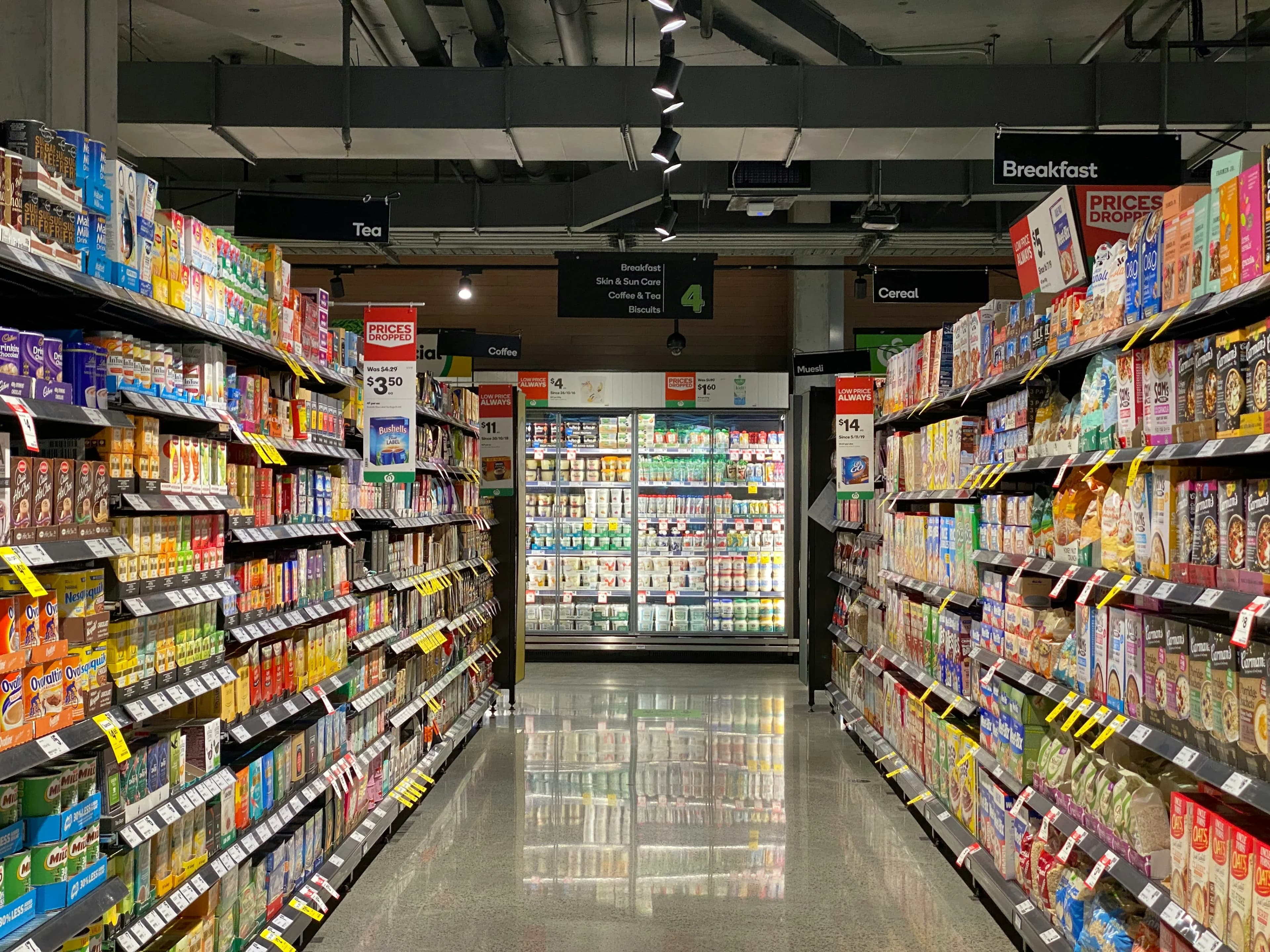
Most stores spend time perfecting displays, promotions, and planograms. Then they under staff the most influential part of the customer journey. The first ten feet of the store.
That entry zone sets the tone. It tells customers whether the store is organized, whether help is available, and whether the visit will be easy. It also determines whether the customer slows down and engages or keeps walking with tunnel vision.
A dedicated entry zone staff member is not a luxury. It is often one of the highest return assignments you can make, especially in locations with high walk in traffic, tourist traffic, or frequent product questions.
This post explains what the first impression zone is, what the role should do, and how to schedule it without breaking the rest of your floor.
Define The First Impression Zone In Operational Terms
The first impression zone is the area from the front door through the first ten feet of customer movement. In many stores it includes the main entry path, the first display, the cart or basket area, and the first sight line to key categories.
Do not define it as a vibe. Define it as a zone with tasks and outcomes.
Outcomes you want.
- Customers are greeted quickly and warmly
- Customers know where to go next without searching
- Queue does not spill into the entry
- High theft behaviors are discouraged by presence
- Returns and pickup traffic is directed without blocking the door
- The store feels calm and controlled at the entrance
If those outcomes are important, staffing the zone is important.
Understand Why The First Ten Feet Needs Ownership
If nobody owns the entry, a few predictable problems show up.
- Customers wander and then interrupt busy associates deeper in the store
- People who need a quick answer feel ignored and leave
- The entry becomes a choke point for returns, pickup, and browsing
- Queue starts in the wrong place and blocks traffic
- Staff miss early signals of theft or disorder
- New customers do not learn how service works in your store
When you assign an owner, those problems become manageable. The entry owner sets the rhythm.
Design The Entry Role As A Real Job Not A Placeholder
Many stores treat greeting as a filler assignment. That produces weak execution. The entry role needs clear responsibilities that connect to sales and operations.
Core responsibilities.
- Greet and orient customers within a short window
- Ask one useful qualifying question and direct to a zone
- Manage the queue flow and call for backup when needed
- Handle simple tasks that prevent interruptions deeper in the store
- Protect the entry sight lines by keeping fixtures and signage tidy
- Watch for safety hazards and congestion
This role should not be a dumping ground for every request. It should be a focused job that keeps the front door working.
Train The Entry Conversation So It Does Not Feel Scripted
The entry owner needs a consistent approach that still feels human. The goal is fast orientation, not a long chat.
A simple structure.
- Greeting
- Offer help
- Qualify with one question
- Direct clearly
- Confirm they know how to find you if they need help again
Examples of qualifying questions that work.
- Are you shopping for yourself or a gift
- Do you already know what you want or do you want a quick recommendation
- Are you here for pickup, returns, or shopping today
Keep it short. The value is in reducing friction early.
Use The Entry Role To Reduce Interruptions And Increase Conversion
Conversion improves when customers reach the right area with confidence. The entry owner can do that by steering traffic.
Common steering actions.
- Direct customers to the right department before they wander
- Send customers with simple questions to the fastest answer point
- Catch customers who look unsure and give them a first step
- Recommend a starting display that fits their need
When this is done well, floor associates spend more time selling and less time being interrupted for directions.
Make The Entry Owner The Queue Captain
If your store has a register line, the entry owner often becomes the best person to protect the flow. This does not mean they are stuck at the register. It means they manage the system.
Queue captain tasks.
- Keep the line from blocking the entrance
- Direct customers to open registers
- Call for backup checkout at the right time
- Separate quick questions from checkout needs
- Keep returns from blocking the main traffic path
If you do not assign queue ownership, customers will form lines in the most inconvenient place.
Schedule Entry Coverage Based On Traffic Peaks Not Wishful Thinking
Entry coverage should match traffic patterns. Many stores need it most at open, mid day peaks, and early evening.
Start by mapping your traffic windows for a normal week.
Then assign coverage using three levels.
Full Coverage Windows
Dedicated entry owner is always present.
Use it when.
- Foot traffic is high
- Promotions drive browse heavy customers
- You expect many first time visitors
- Queue risk is high
Shared Coverage Windows
Entry owner shares responsibility with a nearby zone but stays within sight of the entrance.
Use it when.
- Traffic is moderate
- The nearby zone has low complexity tasks
- You can keep the entrance visible
Minimal Coverage Windows
Entry is monitored through quick checks by a nearby lead.
Use it when.
- Traffic is low
- The team is small
- You still want consistent greeting
Even minimal coverage should include a plan for who greets and who handles returns so the entrance does not become a free for all.
Pick The Right People For The Role
The entry owner is a first contact role. Skill matters.
Traits to look for.
- Comfortable starting conversations
- Good judgment about who needs help
- Ability to stay calm when it gets busy
- Awareness of the whole floor
- Clear communication over headset
Avoid putting someone who is still learning basic product knowledge in the role during peak times. They will get stuck and traffic will pile up.
Rotate strong staff through the role so it does not become exhausting.
Protect The Role From Task Creep
Entry roles fail when you keep adding duties.
Common task creep.
- Being asked to do long stock runs
- Being pulled to cover fitting rooms for extended periods
- Being assigned complex customer cases that take twenty minutes
- Being asked to do deep cleaning or long merchandising projects
You can allow small tasks that support the entrance, but protect the main job.
A good rule.
If the task takes more than five minutes and pulls the person out of the zone, it needs a different owner.
Connect Entry Coverage To A Floor Play
The entry owner is most effective when they have a clear place to send customers. If the floor play changes, the entry script should change too.
Examples.
- If you are pushing a seasonal display, the entry owner should know how to route customers to it
- If you have a new product category, the entry owner should have a simple one sentence explanation
- If fitting rooms are backed up, the entry owner should set expectations early
The entry owner is the messenger. They need current information.
Use Entry Coverage To Reduce Theft And Disorder
Presence changes behavior. A staffed entry sends a signal that the store is attentive.
Entry role behaviors that help.
- Eye contact and greeting for every person who enters
- Quick observation of bags and concealment risk
- Keeping the doorway clear so staff can see movement
- Alerting a lead discreetly when behavior is suspicious
This is not about accusing anyone. It is about making the environment less permissive.
Handle Returns And Pickup Without Blocking The Door
Many stores mix shopping traffic with pickup and returns. If that happens at the entry, it can create congestion.
Use the entry owner to direct these flows.
Practical steps.
- Clear signage that indicates where pickup starts
- A short greeting that directs returns to the right spot
- A secondary waiting spot away from the doorway
- A quick escalation path when returns get complex
When customers with returns are handled quickly, they are less likely to block the entry and more likely to shop after.
Measure What You Gain From Dedicated Entry Staffing
If you want leadership buy in, measure outcomes that connect to sales and efficiency.
Metrics that usually show improvement.
- Conversion rate during staffed windows
- Average transaction value when the entry role is staffed well
- Queue wait time and queue spills into entrance
- Number of interruptions reported by floor associates
- Customer feedback that mentions help and friendliness
- Incidents of disorder at the front of store
You can also do simple observation logs for one week.
- Staffed entry windows
- Unstaffed entry windows
- Notable customer flow issues
The pattern becomes obvious quickly.
A Practical Schedule Pattern For Many Stores
If you are starting from scratch, use a simple pattern and iterate.
- Staff the entry for the first two hours after opening
- Staff the entry for the two hour peak in the afternoon or early evening
- Staff the entry for the last hour before close if closing traffic is meaningful
- Use shared coverage during moderate windows
- Use minimal coverage during low traffic with clear assignment
Then adjust based on observation and sales.
Coach The Role Weekly
Because the entry role is visible, small improvements matter. Coach one thing at a time.
Coaching topics that work.
- Greeting speed and warmth
- Qualifying question quality
- Clarity of directions given
- Headset communication timing for backup checkout
- Keeping the entry tidy without losing presence
Keep coaching short and specific. The goal is consistency.
Dedicated staffing for the first ten feet is one of the simplest ways to improve customer experience quickly. It makes the store feel organized, reduces friction, and protects your floor team from constant interruptions. When you treat the entry as a real zone with ownership, the rest of the store runs better.